
How Far Offshore Will You Fish in Gloucester?
Gloucester fishing isn't just about showing up with a rod and hoping for the best. The distance you push out into the Atlantic dictates everything — the species you're after, the gear you'll need, and whether you're back by lunch or sunset. Some anglers never leave sight of land. Others burn fuel for hours chasing fish that only show up in deep water. The key is knowing what you want before the engine fires up.
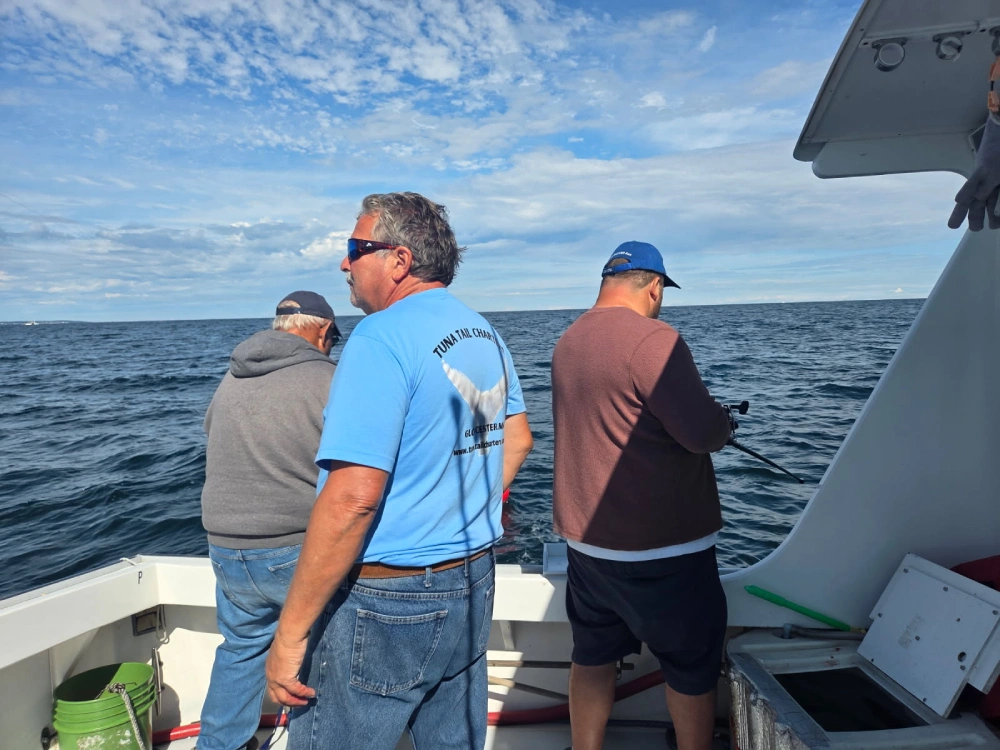
Cape Ann's geography makes it a launching pad for all kinds of fishing. Rocky shoals sit minutes from the harbor. Offshore banks lie within an hour's cruise. And if you're serious about pelagics, you're heading even farther. The question isn't whether Gloucester can deliver — it's whether you're ready to commit to the distance it takes.
Shallow Water vs. Blue Water
Inshore trips keep you close. Usually under five miles from the dock, sometimes less. You're working structure, following tide changes, and targeting fish that like cover. It's accessible, it's productive, and it doesn't require a tank full of diesel to make it worth your time.
Offshore is a different game. You're leaving the coastline behind and aiming for deeper structure or open water where bigger fish hunt. That could mean ten miles. It could mean forty. The farther you go, the more variables you're managing — fuel, weather, time on the water, and what happens if something breaks.
Species Dictate the Run
What you're chasing sets the distance. Stripers and bluefish patrol the nearshore zone during warmer months. Most boats stay within a few miles, working beaches, jetties, and tidal rips. You don't need to go far when the fish are already there.
Cod and haddock live deeper. Stellwagen Bank sits twelve to twenty miles out, and it's a magnet for bottom feeders. Jeffrey's Ledge pushes that range to thirty miles depending on your starting point. Groundfish don't come to you — you go to them, and that means covering water.
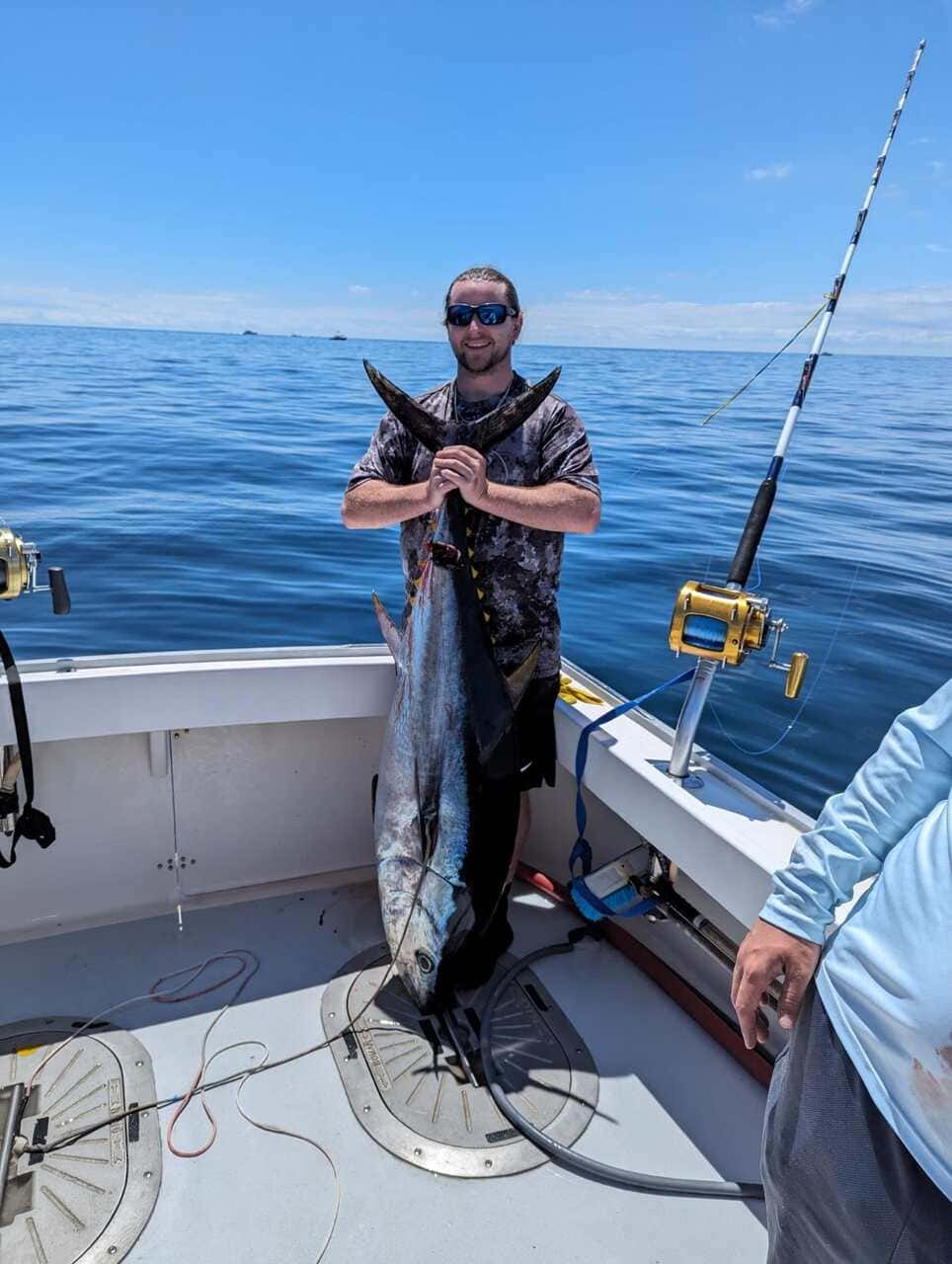
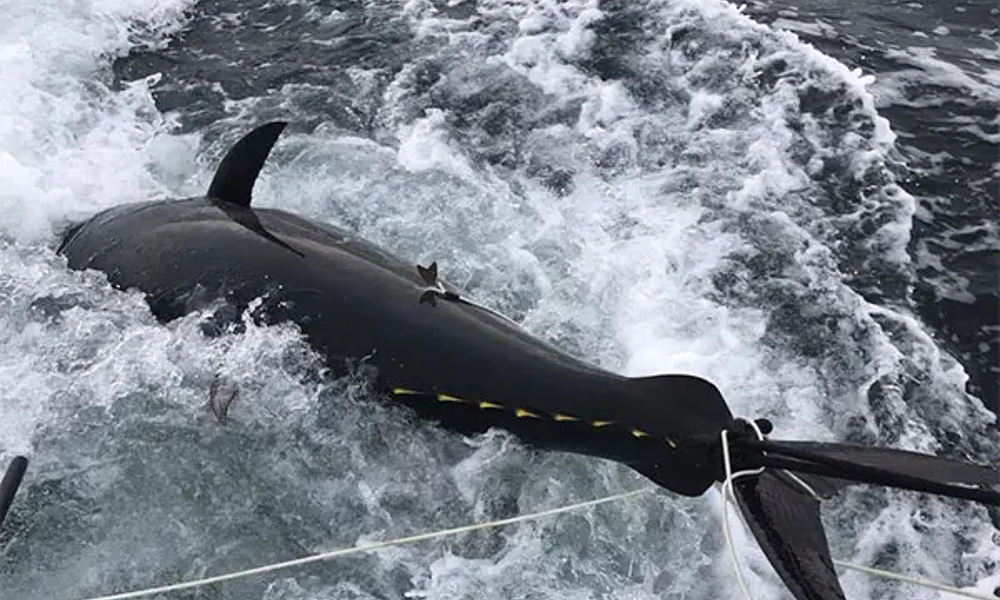
Tuna and sharks? Those are marathon trips. Bluefin can be twenty to forty miles offshore, sometimes more if the bite's slow or the fleet's already working a zone. Gloucester's tuna captains know the drill. They leave early, run hard, and don't turn around until the fish are found or the light's gone.
What Drives the Decision
Distance isn't arbitrary. Several factors lock in how far you'll push before lines hit the water:
- Target list — Every species has a zone. Pick the fish, and the distance follows.
- Vessel limits — Bigger boats handle rough water and long runs. Smaller rigs stay closer or risk getting hammered.
- Weather window — Forecasts change fast offshore. What looks calm at dawn can turn ugly by noon.
- Skill level — Navigation, safety, and fish-finding all get harder the farther you go. If you're green, stick with a guide.
- Fuel budget — Offshore burns gas. A forty-mile run each way adds up, and you better have enough to get home regardless of whether you catch anything.
Inshore Targets Worth the Short Haul
Not every productive trip requires a deep-sea expedition. Plenty of Gloucester anglers keep it tight and still load the cooler. Stripers show up along rocky structure and sandy flats within sight of shore. Bluefish blitz baitfish in the shallows during summer. Fluke, scup, and black sea bass hold on reefs that sit just a few miles out.
If you're testing new gear, breaking in a beginner, or just want action without the commitment, inshore makes sense. You're back faster, you're spending less on fuel, and you're not gambling on whether the offshore bite is even active.
Offshore Runs That Deliver
Longer trips unlock bigger opportunities. Stellwagen Bank consistently produces cod, haddock, and pollock. It's a proven zone, and most charter boats know exactly where to drop. Jeffrey's Ledge extends that range but rewards the effort with less pressure and strong numbers when conditions align.
Tuna fishing pushes the envelope. Bluefin move with bait and temperature, so captains adjust routes daily. Some mornings you're marking fish at twenty-five miles. Other days it's a grind to forty before you see color. Shark trips follow similar logic — you're hunting apex predators in open water, and that requires patience, fuel, and a solid weather forecast.
Prep That Matters Before You Leave
Offshore trips demand more than enthusiasm. Here's what separates a good day from a disaster:
- Charter research — Gloucester's fleet is deep. Find a captain with a track record on the species you want.
- Proper gear — Heavy tackle, quality reels, and enough terminal tackle to handle losses. Don't show up with freshwater equipment.
- Safety basics — Life jackets, VHF radio, EPIRB if you're going far. Know the boat's safety equipment before you need it.
- Food and hydration — Offshore trips run eight to twelve hours, sometimes longer. Pack like you're staying out there.
- Backup plan — Weather changes, engines fail, fish disappear. Have a plan B and the means to execute it.
What the Locals Actually Do
Most Gloucester regulars split their time based on the calendar and the conditions. Spring and fall bring cod runs to Stellwagen, so they're making the twelve-to-twenty-mile push regularly. Summer means stripers and blues close to shore, so the trips get shorter and more frequent.
Tuna season turns the fleet into a different animal. Boats leave before dawn, run hard to the grounds, and grind until they find fish. It's not casual. It's a commitment, and you better love the chase because the miles add up fast.
Mistakes That Cost Time and Money
Offshore fishing is unforgiving when you cut corners. Here's where people screw it up:
- Underestimating fuel needs — Running out offshore isn't just inconvenient, it's dangerous. Calculate the round trip and add a buffer.
- Ignoring weather — A two-foot forecast can turn into four-foot swells. If conditions look sketchy, reschedule.
- Skipping maintenance — Engine trouble twenty miles out ruins the day and puts everyone at risk. Check everything before you go.
- Wrong tackle — Light gear gets destroyed offshore. Bring equipment rated for the species and the depth.
- No communication plan — Let someone on land know your float plan. If something goes wrong, you want someone looking in the right place.
When to Hire Experience
If you're unfamiliar with Gloucester's offshore waters, don't wing it. Local charters know the banks, the ledges, the seasonal movements, and the weather patterns. They've got the gear, the safety equipment, and the insurance. More importantly, they know when to call it and head back.
A good captain doesn't just put you on fish — they keep you safe while doing it. That matters more than bragging rights, especially when the water gets rough or the fog rolls in.
Gloucester Delivers If You Show Up Right
The distance you travel offshore in Gloucester depends entirely on what you're willing to commit to. Inshore trips deliver solid action without the fuel bill or the weather gamble. Offshore runs open up trophy fish and deeper structure, but they demand preparation, experience, and a boat that can handle the conditions. The fishing's there either way — you just need to match your plan to the species, the forecast, and your own skill level. Gloucester's waters don't care whether you're a weekend warrior or a seasoned captain. They'll reward smart decisions and punish sloppy ones, and the distance you push offshore is where that line gets drawn.
Ready to Fish Smarter, Not Harder?
We know every mile off Gloucester’s coast brings new challenges and bigger rewards. If you want to make the most of your next trip—whether you’re chasing stripers close to shore or heading out for bluefin—let’s plan it together. Call us at 978-905-6200 to talk through your goals, or book now and we’ll get you on the water with confidence.
‹ Back
Recent Posts
-
How Far Offshore Will You Fish in Gloucester?
November 27, 2026
-
Does Boat Size Matter on a Gloucester Fishing Trip?
November 13, 2026
-
Do You Need a Fishing License for a Charter in Gloucester?
October 30, 2026
-
What Should You Wear on a Deep Sea Fishing Trip in Gloucester?
October 16, 2026
-
Can First-Time Anglers Catch Tuna on a Gloucester Charter?
October 2, 2026