


Do You Need a Fishing License for a Charter in Gloucester?
Most anglers think charter fishing is just about showing up and casting a line. Pick a boat, pay your fee, done. But Massachusetts has rules — and if you don't know them, you're fishing blind. Licenses matter, even when someone else is driving the boat. Especially when the water you're fishing falls under state jurisdiction.
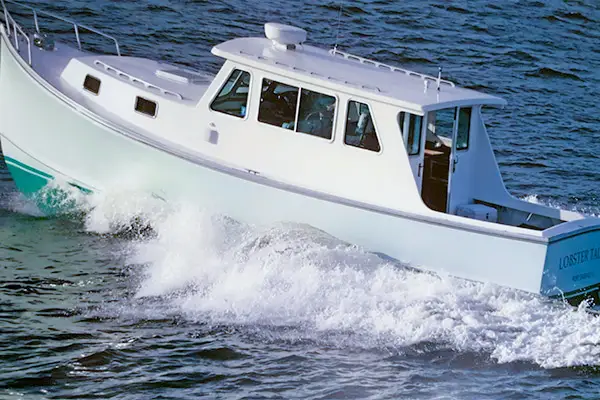
So here's what counts. If you're booking a legitimate fishing charter in Gloucester, that's one thing. Just don't assume every fishing scenario is covered the same way. Every trip should be backed by the right permit. Every catch needs to follow the rules. And every decision about where and how you fish should be grounded in what the law actually says — not just what you assumed at the dock.
When You're Covered and When You're Not
Nine times out of ten, you don't need your own saltwater fishing permit on a Gloucester charter. You book a licensed boat, you step aboard — that's it. The captain holds the permit that covers everyone fishing under their operation. Massachusetts doesn't care how many people are on deck, only that the vessel is properly licensed and the trip is logged.
But if you're fishing from shore? Different story. Casting off a pier, wading the flats, or dropping a line from your own boat means you need your own Massachusetts Recreational Saltwater Fishing Permit. We see this mix-up all the time with visiting anglers. Plenty of folks think the charter exemption applies everywhere — it doesn't. And when enforcement shows up, the state expects to see proof unless you're standing on a permitted charter deck.
The Permit That Does the Heavy Lifting
You can't fish commercially without the proper credentials — and charter captains can't operate legally without their permit either. That license covers every passenger, every rod, and every species you're targeting during the trip. Massachusetts regulates it tightly because it ties directly to catch reporting and conservation limits.
Here's where that coverage matters most:
- Saltwater charters targeting striped bass, bluefish, or cod are fully covered under the captain's permit
- Out-of-state visitors don't need to buy a separate Massachusetts license while aboard
- Kids under 16 are already exempt from needing their own permit, but the charter license still applies
- Giant bluefin tuna trips may require additional federal permits or HMS endorsements depending on the fishery
- Shore fishing or private boat trips fall outside charter coverage and require your own permit
When the Exemption Ends
Want to fish legally off a charter? You'll need to prove the boat was licensed — and that you stayed within the boundaries of that coverage.
Massachusetts enforcement checks three things:
- The charter vessel held a valid for-hire permit at the time of the trip
- You were actively fishing as a paying passenger aboard that vessel
- You weren't fishing from shore, a private boat, or any location outside the charter's authority
Fail one of those, and the exemption disappears. Even if you paid for the trip and caught fish legally on the boat. And if you decided to do some bonus fishing from the beach after your charter docked? That portion requires your own permit. No partial exemptions for mixing charter trips with solo shore time.
Freshwater Trips Work Differently
If your charter heads inland instead of offshore, the rules flip. Freshwater fishing in Massachusetts requires a separate license, and most freshwater charters don't carry a blanket permit that covers passengers the way saltwater charters do.
You'll need to buy your own Massachusetts freshwater fishing license before the trip. It's cheap, it's easy to get online, and it's non-negotiable. Freshwater regulations are enforced just as strictly as saltwater — sometimes more so, depending on the species and the body of water.
Booking Smart Means Asking Questions
Your fishing experience is only as solid as the operator you choose. You'll need more than just a website and a boat photo to confirm legitimacy.
Here's what your vetting process should include:
- Confirmation that the captain holds a valid Massachusetts for-hire permit
- Proof of Coast Guard certification and vessel safety compliance
- Clear communication about what's included in the trip cost
- Documentation of insurance coverage in case something goes wrong
If the operator dodges questions about licensing or gets vague about permits, walk away. Fishing with an unlicensed charter puts you at risk for fines, voided catches, and zero legal protection if the trip goes sideways. A good captain will have their credentials ready and won't hesitate to show them. Learn more about our captain's qualifications before you book.
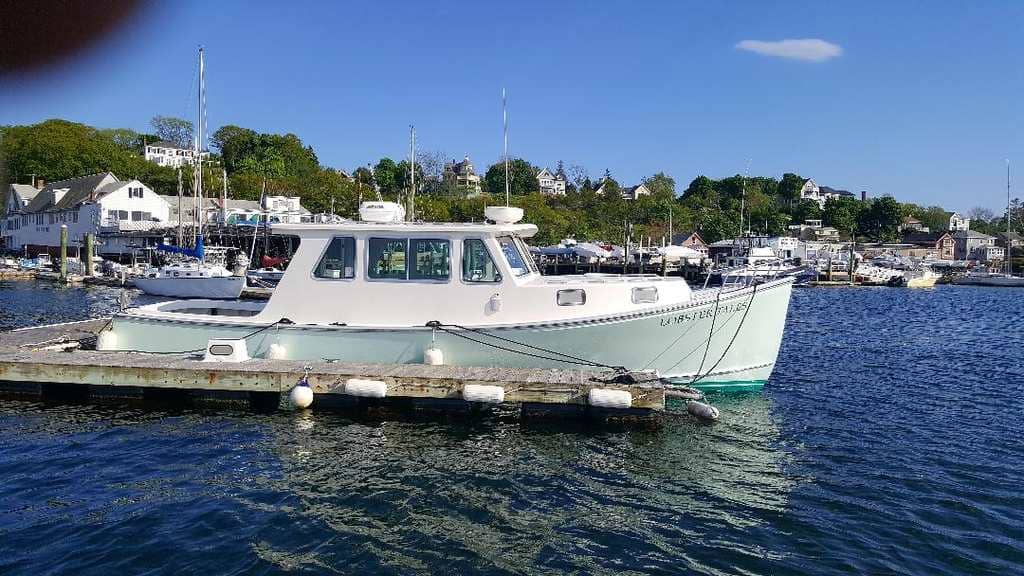
Where Anglers Mess Up Most
Assuming All Water Is the Same
Trying to fish everywhere with just a charter exemption? The state won't buy it. Saltwater charters cover saltwater trips. Everything else requires your own permit. Most anglers avoid trouble by checking regulations ahead of time or grabbing a permit online before they even pack their gear.
Forgetting About Species-Specific Rules
Don't wait until you hook something rare to figure out if you're allowed to keep it. Some species have size limits, bag limits, or seasonal closures that apply regardless of whether you're on a charter. If you exceed limits or keep undersized fish, that's on you — not the captain.
Mixing Charter Time with DIY Fishing
If you fished a morning charter and then hit the beach that afternoon, you'd better have your own permit for the second session. The exemption doesn't follow you off the boat. Reference Massachusetts DMF regulations and don't assume. That's what permits are for.
What Legitimacy Actually Looks Like
If your charter mix includes multiple trips, different vessels, or any out-of-state waters, you're in territory where assumptions get expensive.
A licensed operator helps you:
- Identify which waters fall under Massachusetts jurisdiction and which don't
- Apply fishing regulations correctly if you're crossing state or federal boundaries
- Separate recreational and commercial rules cleanly
- Handle any special permits for highly migratory species
- Keep enforcement off your back
It's not just about staying legal this trip. It's about building clean habits that keep your fishing simple and stress-free for the long haul. If you're curious how other anglers have handled these kinds of rules, check out our fishing reports before you ever book a boat.
Fishing Rights With a Paper Trail
Booking a charter isn't the hard part. Knowing what you're covered for — and defending your catch if questions arise — that's where anglers get caught off guard. There's no excuse for confusion when the exemptions are clearly laid out. But there's also no forgiveness when you fish outside the rules and claim you didn't know better.
Ready to Fish Gloucester the Right Way?
We know how important it is to have every detail squared away before you hit the water. Let’s make your next trip seamless, legal, and unforgettable—so you can focus on the fishing, not the paperwork. Give us a call at 978-905-6200 or book now and let’s get your Gloucester charter on the calendar.
‹ Back
Recent Posts
-
Do You Need a Fishing License for a Charter in Gloucester?
October 30, 2026
-
What Should You Wear on a Deep Sea Fishing Trip in Gloucester?
October 16, 2026
-
Can First-Time Anglers Catch Tuna on a Gloucester Charter?
October 2, 2026
-
Can You Catch Cod & Haddock on the Same Trip in Gloucester?
September 18, 2026
-
Should You Book a Morning or Afternoon Fishing Charter in Gloucester?
September 4, 2026