
Can First-Time Anglers Catch Tuna on a Gloucester Charter?
Most people think tuna fishing is reserved for grizzled veterans with decades on the water. Big rods, bigger fish, endless stamina — sounds like a game you need years to qualify for. But Gloucester charters don't operate that way. Captains here have built their reputations on putting beginners on fish, not just catering to the seasoned crowd. If you show up ready to learn and take direction, the odds aren't as stacked against you as you'd think.
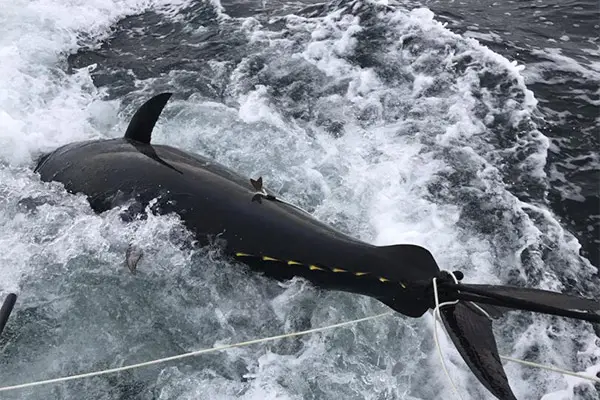
The North Atlantic doesn't care about your résumé. Neither do the bluefin cruising these waters. What matters is whether you're on the right boat, with the right crew, and willing to put in the work when the line screams. Because yes — first-timers land tuna off Gloucester all the time. It's not luck. It's preparation meeting opportunity.
Why Gloucester Waters Are Built for This
Gloucester sits at the edge of some of the richest tuna grounds on the East Coast. Bluefin migrate through here every season, and when they're running, the action can be nonstop. The fish come in close enough that charter boats don't need to burn through fuel just to reach fishable water. That proximity matters, especially when you're learning the ropes and every minute on the water counts toward building confidence.
The captains who work these waters know the currents, the bait patterns, and where the fish stage up. They've spent years refining their approach, and they're not keeping that knowledge to themselves. When you step aboard, you're tapping into a system that's been tested thousands of times over. That's what levels the playing field for someone who's never hooked anything bigger than a bass.
The Crew Does More Than Just Watch
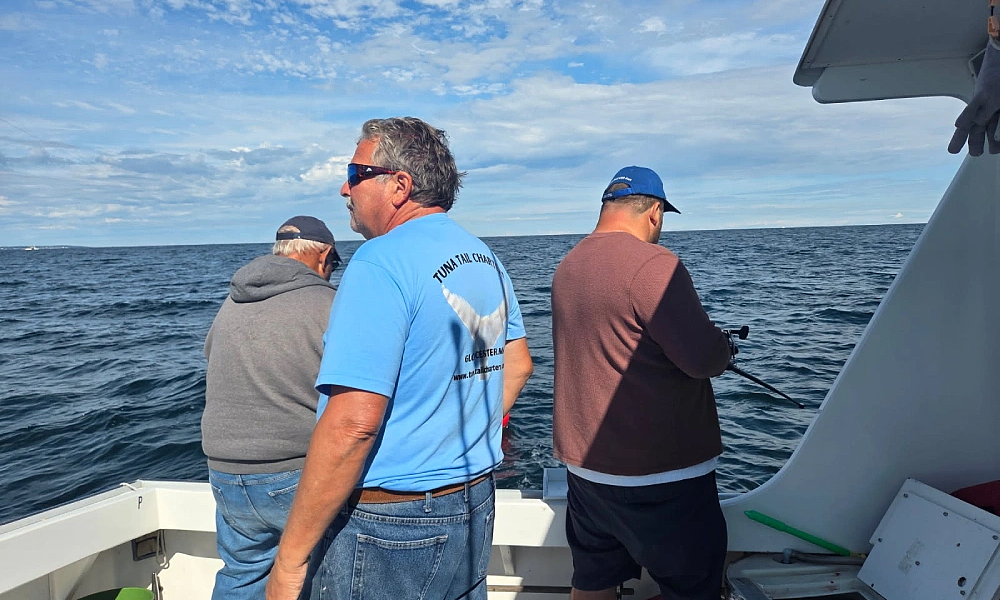
Charter captains in Gloucester aren't running sightseeing tours. They're active participants in your success. From the moment you leave the dock, they're setting you up — rigging lines, explaining techniques, positioning the boat, and reading the water for signs of life. When a fish hits, they don't step back and let you flounder. They're right there, coaching every move.
We've watched deckhands from our crew guide complete beginners through fights that lasted over an hour. Adjusting drag. Managing line tension. Telling you when to reel and when to hold. It's not about doing it for you — it's about making sure you don't blow the opportunity. That hands-on approach is what turns a chaotic situation into a controlled battle. And it's why so many first-timers walk off the boat with a story worth telling.
What the First Few Hours Look Like
Expect an early start. Most giant bluefin tuna charters leave before the sun's fully up, heading out to where the fish are most active. The crew will walk you through the gear — heavy rods, stand-up harnesses, fighting belts — and show you how everything works. You'll practice setting the hook, managing the reel, and understanding what the rod's telling you when a fish takes the bait.
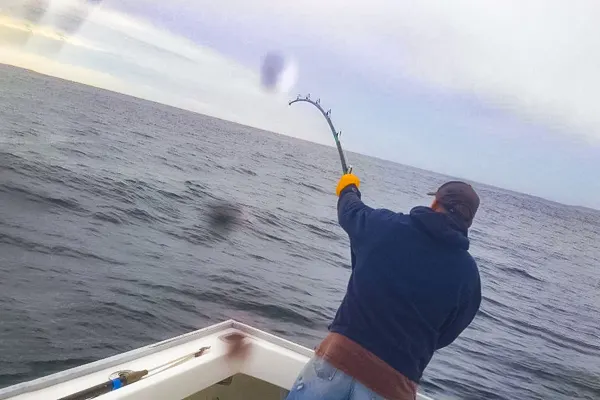
Once lines are in the water, it's a waiting game. That doesn't mean idle time. You're watching for birds, scanning for bait, listening for the captain's updates. When a tuna hits, everything accelerates. The rod bends hard, the drag screams, and suddenly you're in a fight that's going to test your stamina. The crew will talk you through every second of it, but the fish is yours to bring in.
Gear and Setup Are Handled for You
One of the biggest barriers for beginners is the intimidation factor around equipment. Tuna rods are serious pieces of gear, and the reels can cost more than some people's monthly rent. But you're not expected to own any of it. Charters supply everything, and it's rigged correctly before you even arrive.
Here's what's typically provided on a tuna charter:
- Heavy-duty rods rated for big game fish
- High-capacity reels with properly set drags
- Stand-up harnesses or fighting belts to distribute the load
- Circle hooks, leaders, and bait or lures depending on the season
- Safety gear, life jackets, and communication equipment
You show up. They hand you the tools. You focus on the fight.
The Fight Itself Is a Team Effort
Landing a bluefin isn't a solo act, especially when it's your first time. These fish can weigh several hundred pounds and fight with relentless power. The crew will rotate you if needed, manage the boat's position to keep tension on the line, and give you breaks when your arms start shaking. It's collaborative by design.
That doesn't diminish the accomplishment. You're still the one holding the rod. You're the one making the calls when the captain asks if you can give more line or need to tighten up. The physical and mental endurance required is real, and when that fish finally comes alongside the boat, you'll know you earned it.
Common Mistakes and How to Avoid Them
Even with professional guidance, there are a few ways beginners trip themselves up. The good news is that most of these are easy to fix once you know what to watch for. Captains see the same patterns over and over, and they'll call them out before they become problems.
Here's where first-timers usually go wrong:
- Overthinking the technique instead of trusting the crew's instructions
- Locking up the drag too tight and snapping the line
- Trying to muscle the fish instead of using consistent pressure
- Forgetting to stay hydrated or taking breaks when offered
- Getting discouraged during long lulls between bites
Listen more than you talk. Follow directions. Stay loose. That's the formula.
When the Odds Are Actually in Your Favor
Not every trip ends with a tuna in the cooler. Weather, water temperature, and fish behavior all play a role. But Gloucester charters stack the deck in your favor by targeting peak times, using proven tactics, and putting you in areas where the fish are known to be. When conditions align, even a rookie has a legitimate shot.
We've seen it happen more times than we can count. Someone steps on a boat for the first time, listens to the crew, stays patient through the slow stretches, and walks off with a fish that changes how they think about the ocean. It's not a fluke. It's the result of good captains putting beginners in position to succeed.
What to Bring Beyond Your Willingness to Learn
The charter covers the fishing side, but there are a few things you'll want to handle yourself. Comfort and preparation go a long way when you're spending a full day offshore. The crew will tell you what's essential, but here's a solid baseline to start from:
- Layered clothing that can handle wind and spray
- Non-slip shoes with good grip
- Sunscreen and polarized sunglasses
- Snacks and plenty of water
- Seasickness medication if you're prone to it
Pack light, but don't skip the essentials. A miserable angler is a distracted angler.
Booking the Right Charter Matters
Not all charters are created equal. Some cater exclusively to experienced anglers looking for a specific style of fishing. Others are built around education and accessibility. If you're booking your first tuna trip, look for captains who explicitly welcome beginners and have a reputation for teaching.
Read reviews. Ask questions before you book. Find out how the crew handles first-timers, what the typical group size is, and whether they offer any guarantees or rebooking options if conditions don't cooperate. A good captain will answer those questions without hesitation and set realistic expectations from the start.
Why We Keep Seeing Beginners Succeed
Gloucester charters have refined the process to the point where experience level becomes less of a barrier than attitude. The fish don't know you're a rookie. The gear doesn't care. What matters is whether you're coachable, whether you can stay focused under pressure, and whether you're willing to trust the people running the boat.
We've watched this play out dozens of times. The angler who asks questions, follows instructions, and stays engaged is the one who ends up with a tuna at the end of the day. Meanwhile, the overconfident veteran who ignores the crew often goes home empty-handed. Gloucester teaches that lesson fast.
The Takeaway from the Deck
First-time anglers absolutely can — and do — catch tuna on fishing charters in Gloucester. The captains know how to put you on fish, the gear is dialed in, and the support system is built around helping you succeed. You're not going to master tuna fishing in a single trip, but you don't need to. You just need to show up ready to work and willing to take direction. That's the bar. And if you clear it, the North Atlantic will give you a fight you won't forget.
Ready to Land Your First Tuna?
There's nothing quite like the thrill of battling a bluefin for the first time, and we're here to make sure you get your shot. If you're eager to experience the excitement of tuna fishing in Gloucester with a crew that knows how to guide beginners to success, let's make it happen together. Give us a call at 978-905-6200 or book now to reserve your spot and start your own story on the water.
‹ Back
Recent Posts
-
Can First-Time Anglers Catch Tuna on a Gloucester Charter?
October 2, 2026
-
Can You Catch Cod & Haddock on the Same Trip in Gloucester?
September 18, 2026
-
Should You Book a Morning or Afternoon Fishing Charter in Gloucester?
September 4, 2026
-
-
Is Late Season Tuna Fishing in Gloucester Worth Booking?
August 7, 2026