
What Should You Wear on a Deep Sea Fishing Trip in Gloucester?
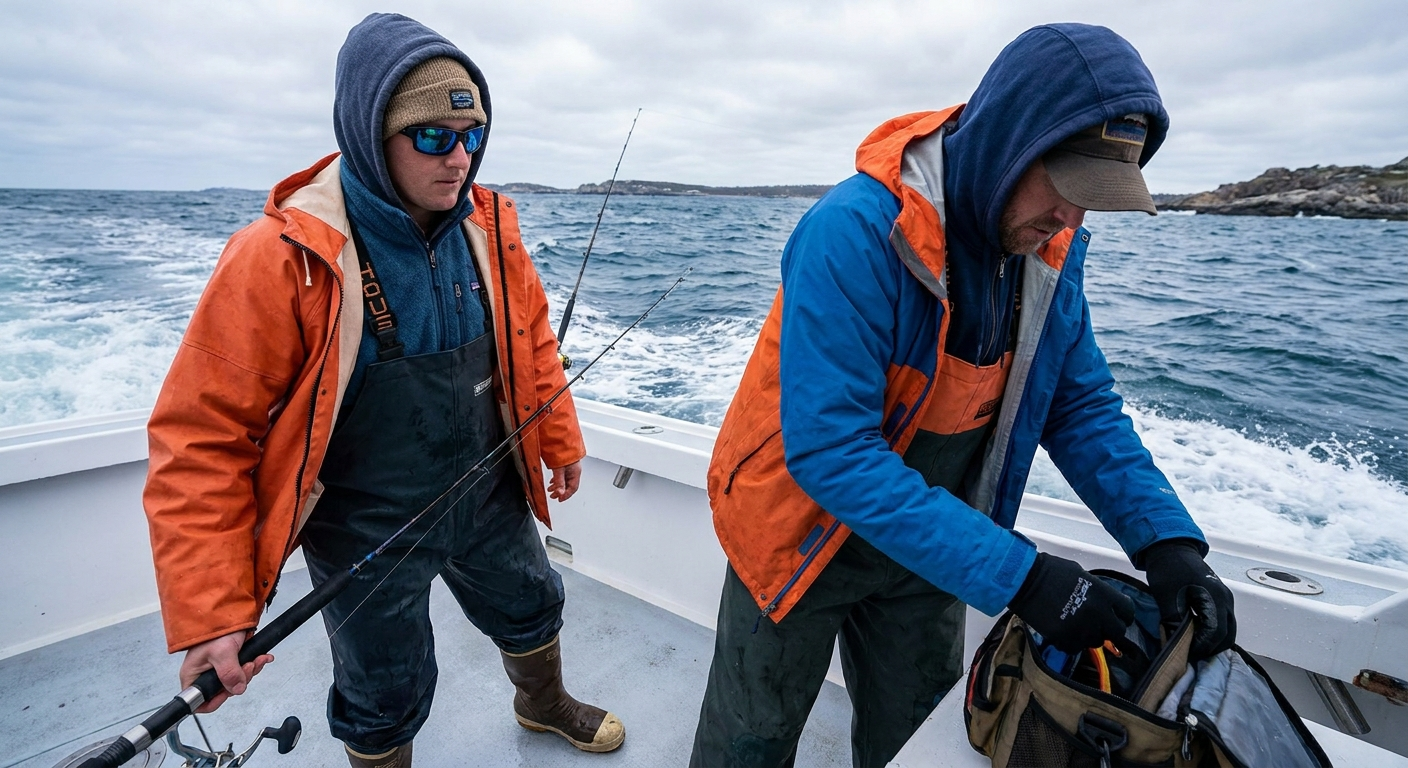
Most first-timers think packing for a deep sea trip is about throwing on old jeans and hoping for the best. Wrong. The Atlantic off Gloucester doesn't care about your comfort zone—it'll soak you, freeze you, or sunburn you before you've landed your first striper. And if you're not dressed right, that eight-hour charter turns into a miserable slog where you're too cold to focus and too wet to enjoy the bite.
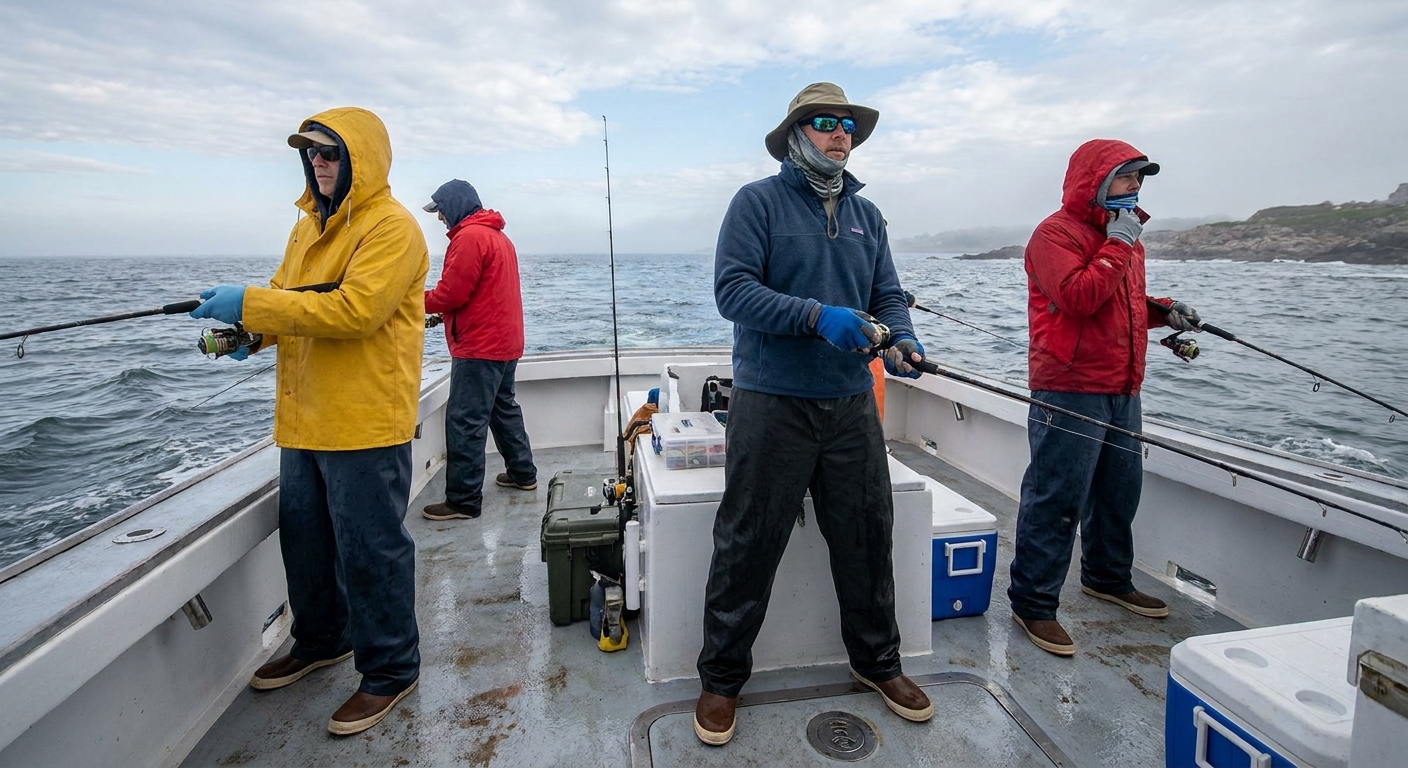
Here's the reality. Weather offshore shifts faster than you think. Morning fog burns off into blistering sun. Calm seas kick up spray. What felt fine at the dock becomes brutal three miles out. Every piece of clothing should earn its spot on your body. No dead weight. No cotton that stays damp for hours. Just smart layers that let you adapt without heading back to shore early.
Temperature Swings Happen Fast
Gloucester's coastal waters don't follow the forecast you checked at breakfast. Early departures mean temps in the low fifties, even in July. By noon, you might hit seventy-five with full sun beating down. That's a thirty-degree swing, and if you dressed for one or the other, you're stuck.
Layering isn't optional—it's how you survive. Start with a synthetic or merino base that pulls moisture away from your skin. Cotton holds sweat and seawater like a sponge, leaving you clammy when the wind picks up. Over that, add a fleece or insulated pullover. Something you can peel off and stash when the sun climbs. Then finish with a waterproof shell that blocks wind and spray. Look for sealed seams and a hood that actually stays on your head when the boat's moving.
Your Feet Take the Worst of It
Deck conditions on a fishing charter are brutal. Between bait slime, fish blood, and constant saltwater wash, you're walking on a slick surface for hours. Wear the wrong shoes and you're one wrong step from a nasty fall or a twisted ankle that ends your day.
Non-slip rubber soles are non-negotiable. Deck boots or closed-toe water shoes with aggressive tread give you the grip you need. Skip the sneakers—they'll soak through in minutes and stay wet. Skip sandals unless you want a gaff hook or a flopping bluefish landing on your bare toes. Wool or synthetic socks add warmth without turning into soggy messes, and they dry faster than anything cotton-based.
Sun Exposure Doubles on Open Water
Out on the ocean, UV rays hit you twice—once from above and once reflected off the water. Even overcast days deliver serious sunburn potential. We've seen anglers come back looking like lobsters because they thought clouds meant protection. They don't.
A wide-brimmed hat or a cap with a neck flap keeps your face and ears covered. Polarized sunglasses aren't just for looking cool—they cut glare so you can actually see what's happening below the surface and protect your eyes from hours of strain. Sunscreen needs to be waterproof, high SPF, and reapplied every couple hours. Long sleeves and pants made from UPF-rated fabric give you coverage without cooking you alive. Light colors reflect heat better than dark ones, so plan accordingly.
Hands Need Protection Too
Fishing line cuts. Hooks snag. Fish have teeth and sharp fins. Your hands are in the middle of all of it, and bare skin doesn't hold up well. A solid pair of fishing gloves makes handling gear safer and less painful.
Look for gloves with reinforced palms and fingers that still let you feel what you're doing. Neoprene or synthetic materials dry quickly and give you decent grip even when wet. If you're targeting bigger species or handling heavy tackle, go with something thicker. If you're jigging light or need dexterity, fingerless styles work. Either way, don't skip them.
Other smart additions include a buff or neck gaiter to shield your neck and lower face from wind and sun. A beanie or lightweight cap for early morning chill. A waterproof pouch or dry bag to keep your phone, wallet, and spare layers from getting soaked when a wave crashes over the gunwale.
Seasonal Conditions Change the Game
Gloucester's fishing season stretches from April through November, and what works in June won't cut it in October. Spring and fall offshore trips can be downright cold. Water temps lag behind air temps, and wind chill on a moving boat makes everything feel ten degrees colder.
During cooler months, double down on insulation. Thermal base layers, heavier fleece, insulated jackets, and waterproof bibs become standard. Hand warmers and extra gloves aren't overkill—they're survival tools. Summer trips let you lighten the load, but you still need that waterproof shell and sun protection. Weather can turn fast, and being caught without a rain layer when a squall rolls in is a rookie mistake we've all seen too many times.
- Moisture-wicking base layers in synthetic or merino wool
- Insulating mid-layer like fleece or lightweight down
- Waterproof and windproof outer shell with hood
- Non-slip deck boots or water shoes with rubber soles
- Wool or synthetic socks that dry quickly
Movement Matters More Than Style
You're not modeling for Instagram—you're casting, reeling, netting, and moving around a rocking boat for hours. Clothing that restricts your range of motion or rides up when you bend over is a liability. Fit matters, but it's about function, not fashion.
Choose pants and jackets with enough room to layer underneath but not so baggy they snag on cleats or rod holders. Pockets with zippers or Velcro closures keep small gear like pliers, lures, and your phone secure. Adjustable cuffs and hems let you tighten things down when spray picks up or loosen them when you need ventilation.
- Wide-brimmed hat or cap with neck protection
- Polarized sunglasses to cut glare and protect eyes
- Waterproof, high-SPF sunscreen reapplied regularly
- Long-sleeve UPF-rated shirts and pants in light colors
- Fishing gloves with grip and reinforced palms
Pack Smart or Pay the Price
Bringing a waterproof bag isn't about being paranoid—it's about keeping your gear dry when conditions get rough. Phones, keys, wallets, and spare clothing all need protection from saltwater and spray. A simple dry sack solves that problem and costs less than replacing a soaked phone.
Also pack extras of critical items. A second pair of gloves if the first gets shredded. An extra hat if yours blows overboard. A backup layer if you underestimated how cold it would get. Small additions that take up minimal space but save the day when something goes wrong.
- Buff or neck gaiter for wind and sun protection
- Lightweight beanie or headband for early morning chill
- Waterproof dry bag or pouch for valuables
- Hand warmers for cold-weather trips
- Spare gloves and extra layers as backup
What Not to Bring
Just as important as what to wear is what to leave at home. Cotton anything—t-shirts, hoodies, jeans—stays wet and makes you miserable. Open-toed shoes are accidents waiting to happen. Heavy jackets that don't breathe will have you sweating through your base layer before you've cleared the harbor.
Jewelry, watches that aren't waterproof, and anything you'd hate to lose overboard should stay in the car. Loose items have a way of disappearing when you're focused on landing a fish or the boat hits a swell. Keep it simple, keep it functional, and leave the valuables behind.
- Cotton clothing that holds moisture
- Sandals or flip-flops with no grip or protection
- Heavy non-breathable jackets that cause overheating
- Jewelry or non-waterproof watches
- Loose items that can blow or fall overboard
Test Your Gear Before You Go
Don't wait until you're on the boat to discover your rain jacket leaks or your boots have no tread left. Check everything a day or two before your trip. Make sure zippers work, seams are intact, and nothing's worn out or damaged. If you're renting gear or borrowing from a friend, try it on ahead of time to confirm fit and function.
A little prep work eliminates surprises and keeps you focused on fishing instead of fighting with malfunctioning gear. The ocean doesn't give you do-overs, and neither does a charter captain who's already three miles offshore.
- Verify all zippers and closures function properly
- Check boot tread and waterproof integrity
- Confirm layers fit comfortably when worn together
- Test sunglasses for secure fit and polarization quality
- Ensure dry bags seal completely and hold valuables
Comfort Fuels Performance
Being properly dressed isn't about luxury—it's about staying focused when a fish hits your line. Cold hands miss hooksets. Wet clothes sap energy. Sunburn makes everything hurt. When you're comfortable, you fish better, enjoy the experience more, and come back ready for the next trip instead of swearing off the ocean for good.
Gloucester's waters deliver world-class fishing, but only if you show up ready. Treat your clothing and gear with the same respect you give your tackle. Every piece has a job. When they all work together, you're free to focus on what matters—the tug on the line and the fight that follows. Before you head out, it helps to check out what to expect on deep sea fishing trips and understand what to pack for a successful day on the water. Knowing the best fishing times and reviewing Gloucester fishing regulations will also help you prepare. If you're curious about our vessel, take a look at the boat and meet our crew to see who'll be guiding your adventure.
Ready for Your Next Deep Sea Adventure?
We know how much the right gear can make or break your day on the water. Let’s make sure your next trip is all about the thrill of the catch, not worrying about what you forgot to pack. If you’re looking to experience Gloucester’s best fishing with a crew that’s seen it all, give us a call at 978-905-6200 or book now and let’s get you out on the ocean, fully prepared and ready for action.
‹ Back
Recent Posts
-
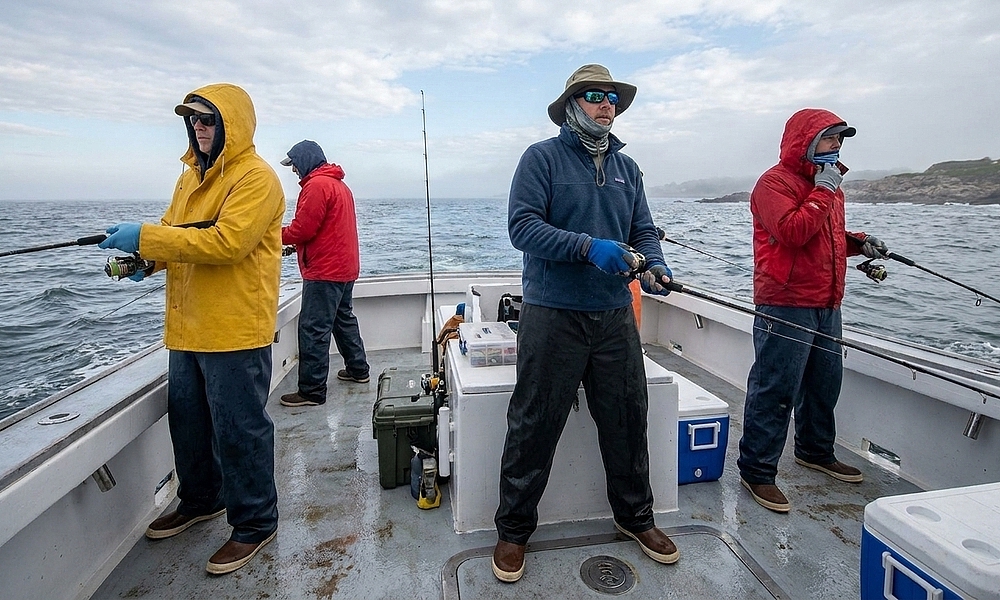
What Should You Wear on a Deep Sea Fishing Trip in Gloucester?
October 16, 2026
-
Can First-Time Anglers Catch Tuna on a Gloucester Charter?
October 2, 2026
-
Can You Catch Cod & Haddock on the Same Trip in Gloucester?
September 18, 2026
-
Should You Book a Morning or Afternoon Fishing Charter in Gloucester?
September 4, 2026
-