


Can You Catch Bluefin Tuna in Gloucester Without Deep Sea Fishing?
Gloucester's reputation as a bluefin tuna capital isn't built on rumor. The Atlantic off Massachusetts doesn't play around when it comes to size, fight, and trophy catches. But most people assume you need to be miles offshore to even think about hooking one. That's mostly true — but not always. If you're wondering whether you can skip the deep water run and still land a bluefin, the short answer is complicated. The long answer depends on timing, luck, and what you're willing to settle for.
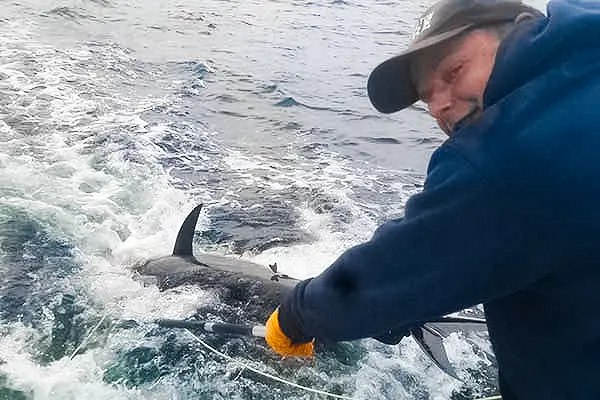
Bluefin don't follow your schedule. They move based on bait, temperature, and current. Sometimes that brings them closer than expected. Other times, they're so far out you'd need a livewell the size of a truck bed just to make the trip worthwhile. Understanding where they actually are — and when — matters more than the gear you bring.
Bluefin Don't Live Where You Want Them To
These fish aren't coastal creatures. They're pelagic predators built for open water, speed, and endurance. When bluefin show up near Gloucester, they're hunting schools of mackerel, herring, or squid — and those baitfish move. That means the tuna move too. Most of the reliable action happens several miles offshore, where the depth allows them to patrol and feed without worrying about shallow structure or shoreline interference.
During peak season — roughly June through October — the offshore grounds light up. Charter boats head out early, set up spreads, and wait for the chaos. That's where the giants get caught. Inshore? It's a different story. Bluefin occasionally push closer when bait stacks up near the coast, but those windows are narrow and unpredictable. You can't plan around them. You can only react if you happen to be on the water when it happens.
Shore Fishing Won't Cut It
We've never seen a bluefin caught from a Gloucester beach. Not once. The fish just don't come that close, and even if one did, the odds of hooking it from land are nearly zero. Piers and jetties offer better positioning, but they still don't put you anywhere near bluefin territory. The water's too shallow, the structure's wrong, and the bait schools they chase aren't hanging around rocks and pilings.
If you're serious about bluefin, shore fishing isn't in the playbook. That doesn't mean the shoreline is useless — plenty of other species worth targeting live there. But bluefin? You need a boat. Even a small one puts you leagues ahead of casting from sand.
Nearshore Fishing Has a Slim Chance
Every once in a while, someone gets lucky. A small boat trolling just outside the harbor hits a school of bait, and a bluefin crashes the party. It happens — but it's rare enough that you shouldn't count on it. If you're running a center console or a skiff and you see birds working close to shore, it's worth investigating. Heavy tackle, big lures, and a willingness to burn some fuel might pay off.
Here's what increases your odds in nearshore waters:
- Bait activity near the surface, especially late summer and early fall
- Water temperature shifts that pull baitfish closer to shore
- Bird diving and whale activity, both indicators of feeding zones
- Current breaks or color changes where offshore water mixes with inshore
- Early morning or late afternoon feeding windows when tuna are most aggressive
Even with all that in your favor, nearshore bluefin encounters are the exception. Most anglers who try it end up switching to striped bass or bluefish just to make the trip worthwhile.
Other Tuna Species Are More Accessible
Bluefin aren't the only tuna worth chasing. False albacore and bonito show up closer to shore and offer plenty of fight for their size. Albies especially are a blast on lighter tackle, and they'll slam lures in water shallow enough to see bottom. You won't need to burn half a tank getting to them, and they're around from late summer into fall.
Here's what makes them a solid alternative:
- They feed aggressively in nearshore waters and around inlets
- Smaller boats can target them without heading into open ocean
- They hit topwater lures, metals, and soft plastics with minimal finesse
- They're fast, strong, and put up a fight well above their weight class
- You can catch them from shore in some locations if conditions align
If the goal is tuna action without the offshore commitment, false albacore and bonito deliver. They won't fetch the same price per pound, but they'll give you a reason to tighten your drag.
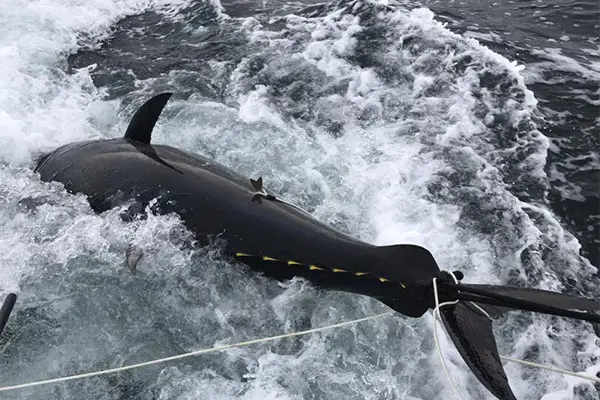
Shorter Charters Exist But Don't Guarantee Bluefin
Some fishing charters offer half-day or inshore trips that don't venture into true deep water. These trips focus on variety — striped bass, bluefish, maybe some bottom species — but captains keep an eye out for tuna activity. If bait's around and birds are working, they'll make a play. Just don't book expecting bluefin. It's a bonus, not the mission.
These shorter trips work well for anglers who want the experience without the full offshore grind. You'll get time on the water, learn the local patterns, and maybe get lucky. But if bluefin is the target, you're better off booking a dedicated offshore charter and committing to the run.
Charters Built for Bluefin Know Where to Go
Deep sea charters exist for a reason. The captains know the migration patterns, the depth contours, and the bait cycles. They've got the gear, the experience, and the fuel capacity to reach the zones where bluefin actually live. Trying to replicate that on your own without the knowledge or equipment is a gamble with low payoff.
Here's what a solid bluefin charter brings to the table:
- Access to proven fishing grounds miles offshore
- Heavy tackle rated for fish over 500 pounds
- Live bait setups, chum programs, and spread trolling techniques
- Navigation electronics that track temperature breaks and bait schools
- Crew experience handling tuna fights that can last hours
If you're serious about catching a bluefin in Gloucester, this is the path. Everything else is compromise.
Timing Matters More Than Location
Bluefin aren't static. They follow food, and food follows water conditions. Early season fish might be farther out, while late-season stragglers could push closer as bait shifts. Monitoring fishing reports, talking to bait shops, and watching charter activity gives you a better read than any generic fishing calendar.
Weather plays a role too. Calm seas let smaller boats venture farther, while rough conditions shut down access entirely. If you're trying to catch bluefin without committing to deep water, your window is small and your flexibility needs to be high.
The Verdict Comes Down to Commitment
Bluefin tuna in Gloucester are offshore fish, plain and simple. You can hope for a nearshore miracle, but hope isn't a strategy. Shore fishing won't produce them. Light inshore trips might get you close, but the odds are stacked against you. If you want a real shot, you're heading deep. That's the reality, and pretending otherwise just wastes time and fuel.
Gloucester's waters offer plenty of action for anglers at every level. Stripers, bluefish, albies, bonito — all within reach without a 20-mile run. But bluefin? They live where the ocean opens up, and that's where you need to go if you want to catch one. No shortcuts, no magic spots. Just miles, preparation, and the willingness to chase what doesn't come easy.
Ready to Chase Bluefin the Right Way?
We know what it takes to put you on Gloucester’s legendary bluefin, and we’re here to make your next trip unforgettable. Let’s get you out where the action happens—call us at 978-905-6200 to talk fishing, or book now and secure your spot on the water with a crew that lives for the chase.
‹ Back
Recent Posts
-
Can First-Time Anglers Catch Tuna on a Gloucester Charter?
October 2, 2026
-
Can You Catch Cod & Haddock on the Same Trip in Gloucester?
September 18, 2026
-
Should You Book a Morning or Afternoon Fishing Charter in Gloucester?
September 4, 2026
-
-
Is Late Season Tuna Fishing in Gloucester Worth Booking?
August 7, 2026