Does Boat Size Matter on a Gloucester Fishing Trip?
Most anglers think boat size is just about ego. Bigger deck, bigger catch, right? But Gloucester's waters tell a different story — and if you don't know the difference, you're setting yourself up for a rough day. Size isn't about bragging rights. It's about matching your vessel to the conditions, the species, and what you're actually trying to accomplish out there.
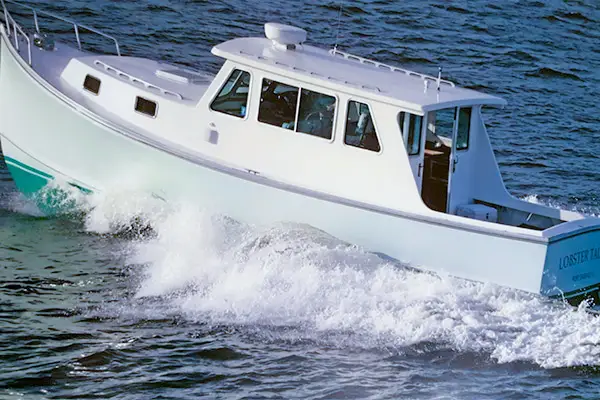
Here's what matters. If you're heading offshore for tuna or chasing groundfish in deep water, you need stability and range. If you're working the shallows for stripers or drifting close to shore, maneuverability wins every time. Every fishing charter should be planned around where you're going — not just what looks good at the dock.
Open Ocean Versus Protected Waters
Gloucester sits at the edge of the Atlantic, and that means you've got choices. Inshore zones offer calmer conditions, rocky structure, and plenty of striped bass and bluefish. These are the spots where smaller boats shine. Anything under 2525 feet can slip into tight areas, navigate around ledges, and get you close to the action without fighting heavy swells.
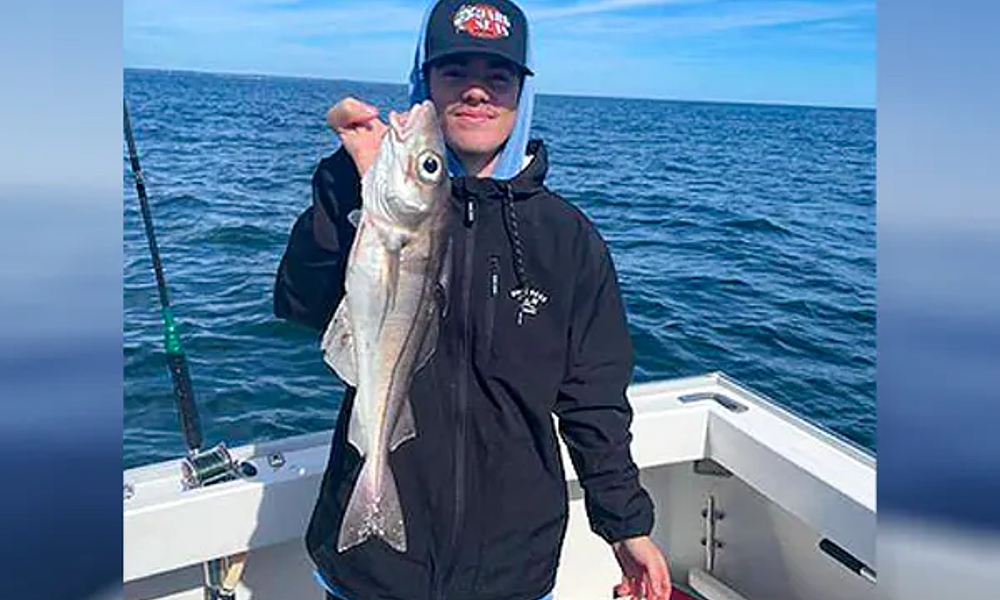
But once you push past the breakwater and head offshore, the game changes. Open water brings wind, chop, and unpredictable weather. Boats over 30 feet handle that better — stronger hulls, more power, and the kind of stability that keeps your line in the water instead of your lunch on the deck. If you're targeting bluefin tuna, cod, or haddock, you need a platform that can take the beating and keep going.
Space and Comfort Start to Add Up
Longer trips demand more than just seaworthiness. They require room to move, places to rest, and protection from the elements. Larger vessels come equipped with cabins, heads, and galley setups that make multi-hour excursions bearable — even enjoyable. You're not cramped into a corner with nowhere to stash your gear or take a break from the sun.
Smaller boats strip all that away. You're exposed, you're packed in tight, and there's no hiding when the weather turns. But that's also part of the appeal. You're right on top of the fish, you feel every wave, and there's something raw about it that big-boat anglers miss. Just don't expect creature comforts when the wind picks up or the spray starts flying.
What You Fish For Shapes What You Need
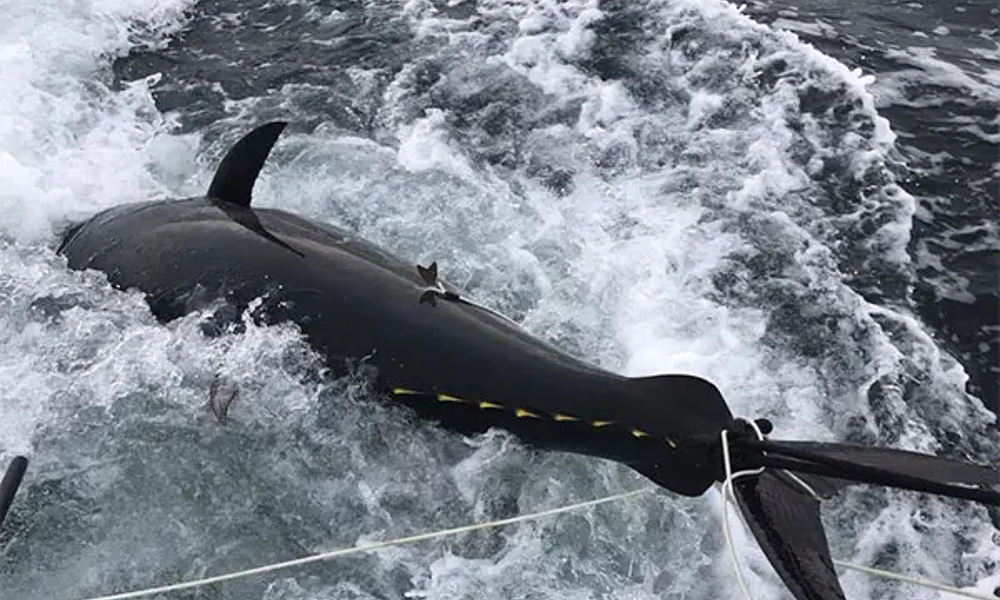
Target species drive boat choice more than most people realize. Trolling for giant bluefin tuna requires outriggers, heavy tackle storage, and deck space to fight a fish that can top 800 pounds. You need a boat that can handle the gear and the battle. Deep-dropping for cod or haddock in 200 feet of water? Same deal — you want stability, room for multiple anglers, and a hull that won't roll every time someone reels up.
Inshore fishing flips the script. Casting plugs for stripers along rocky shorelines or drifting for flounder in estuaries calls for something nimble. Smaller boats let you get into shallow water, approach structure quietly, and pivot fast when the bite moves. You're not fighting the boat — you're using it as a tool.
- Trolling for tuna demands outriggers, deck space, and a hull that won't quit
- Groundfish trips benefit from stability and the range to reach deeper water
- Stripers and bluefish near shore require maneuverability and stealth
- Flounder drifts work best with smaller, quieter boats that won't spook fish
- Multi-species days call for versatility — and that usually means more boat
How Many People Are You Bringing
Solo missions or small groups fit fine on anything. But if you're planning a family outing, a corporate charter, or a bachelor party, headcount becomes the deciding factor. Larger boats handle bigger crowds without turning into a sardine can. There's room for everyone to fish, multiple stations to spread out, and crew members to help with rigging and gaffing.
Smaller boats cap out quickly. Two or three anglers and you're maxed. But that tightness can be a feature, not a bug. You're working together, communicating easily, and there's no chaos. If you're teaching a kid to fish or spending the day with a close friend, a small boat creates that focused experience you can't get on a party vessel.
- Larger boats accommodate groups of six or more without feeling crowded
- Small boats keep things intimate and manageable for one to three anglers
- Crew availability increases on bigger charters, making the experience smoother
- Deck layout matters — tight quarters mean limited casting room and more tangles
- Social trips lean toward big boats; serious fishing often works better on smaller rigs
The Cost Question Isn't Just the Charter Fee
Bigger boats cost more to run. Fuel, maintenance, crew wages — it all adds up, and that gets passed to you in the charter price. But if you're splitting the cost across eight people, the per-head number can actually beat a smaller boat with fewer anglers. Run the math before you assume small means cheaper.
Shorter trips and smaller groups benefit from the lower rates on compact boats. You're not paying for amenities you won't use or capacity you don't need. But if weather cancels your trip because the boat couldn't handle the conditions, that "savings" disappears fast. Sometimes spending more upfront keeps you on the water when others are stuck at the dock.
- Larger boats charge higher rates but split across more people
- Fuel consumption scales with size and distance traveled
- Smaller boats offer lower base rates for short inshore trips
- Weather cancellations are more common on undersized vessels
- Factor in total trip time — longer excursions justify bigger boat costs
Weather Windows Shrink on Smaller Rigs
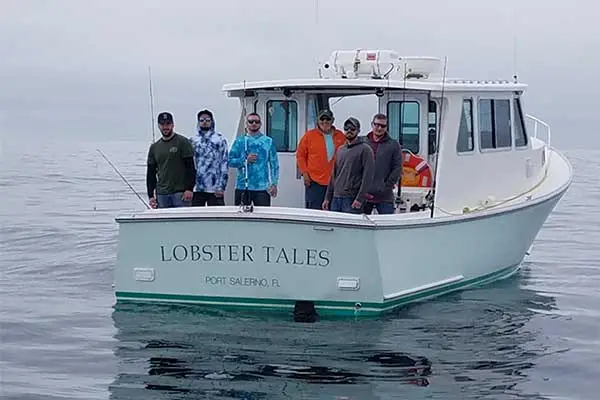
Gloucester's weather is notoriously fickle. A forecast can look perfect at dawn and turn sloppy by noon. Larger boats extend your fishing window because they can handle rougher seas. You're not running for the barn at the first sign of a two-foot chop. That extra time on the water often translates to better fishing and more value for your charter dollar.
Smaller boats operate on tighter margins. When the wind picks up or the swell builds, the trip gets cut short — or canceled entirely. That's fine if you're flexible and don't mind rebooking. But if you're on a tight schedule or flew in from out of state, you want a reliable boat that won't back down from a little weather.
- Bigger hulls stay fishable in conditions that sideline smaller boats
- Offshore trips require more seaworthy platforms to avoid turnarounds
- Inshore fishing tolerates smaller boats because conditions are more protected
- Cancellation risk increases as boat size decreases relative to trip distance
- Experienced captains know their boat's limits — trust that judgment
Gear and Storage Space Make a Difference
Tackle, coolers, bait, extra rods — it all has to go somewhere. Larger boats offer dedicated storage, rod racks, and fish boxes that keep everything organized. You're not tripping over gear or digging through a pile to find the right lure. That efficiency matters when the bite is hot and every minute counts.
Smaller boats force you to pack light and stay organized. There's no room for excess, which can actually be a good thing. You focus on what you need, you keep your setup simple, and there's less clutter. Just don't expect to bring five rods per person and a week's worth of snacks. Space is finite, and you'll feel it.
- Larger boats include built-in rod holders, tackle stations, and fish boxes
- Small boats require minimalist packing and careful gear selection
- Cooler space on big boats means you can keep more fish or bring more food
- Deck layout impacts how easily you can move and fish without interference
- Storage for personal items matters on longer trips — bring what you can stow
The Right Boat Matches Your Actual Plan
Boat size matters — but only if you're honest about what you're trying to do. Offshore tuna charters demand power and space. Inshore striper hunts reward agility and access. Multi-hour excursions with a crowd need comfort and amenities. Quick morning trips with a buddy work fine on something basic.
Gloucester's got the boats to fit every scenario. The mistake is picking based on image instead of function function. We've seen too many anglers book the biggest boat available only to realize they spent the day fighting seasickness offshore when they should've been casting plugs in the harbor. Match the vessel to the mission, and the fishing takes care of itself.
Ready to Plan Your Gloucester Fishing Adventure?
Choosing the right boat is the first step toward a successful day on the water, and we’re here to help you make the most of every trip. Let’s talk about your goals, group size, and the kind of fishing you want to experience—so you get the perfect setup for your Gloucester outing. Give us a call at 978-905-6200 or book now to lock in your next charter with us.
‹ Back
Recent Posts
-
Does Boat Size Matter on a Gloucester Fishing Trip?
November 13, 2026
-
Do You Need a Fishing License for a Charter in Gloucester?
October 30, 2026
-
What Should You Wear on a Deep Sea Fishing Trip in Gloucester?
October 16, 2026
-
Can First-Time Anglers Catch Tuna on a Gloucester Charter?
October 2, 2026
-
Can You Catch Cod & Haddock on the Same Trip in Gloucester?
September 18, 2026