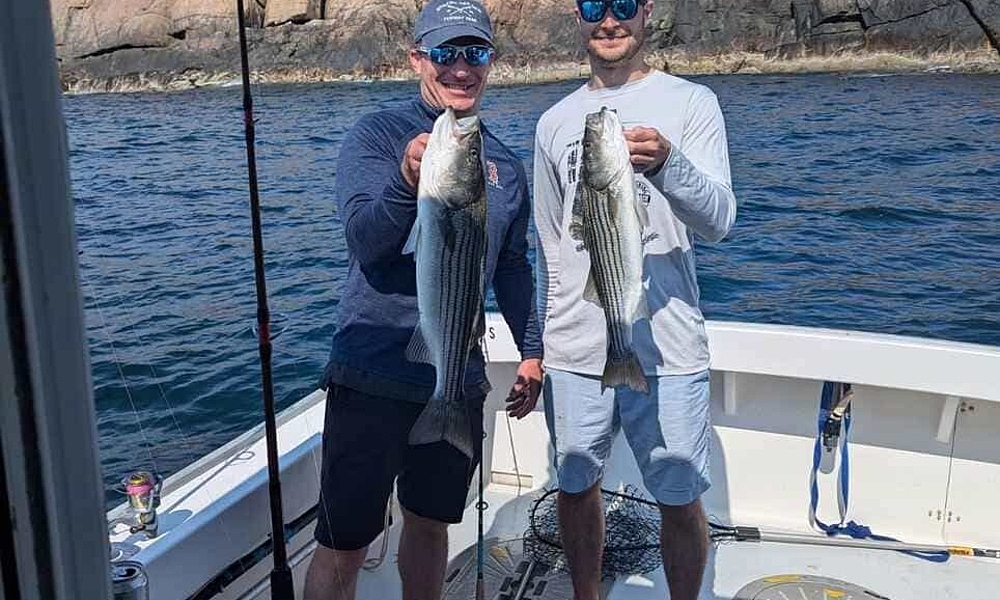


Why Bluefin Tuna Fishing in Gloucester Gets Better as the Water Warms Up
Most anglers think bluefin season is just about showing up when the calendar says so. But the real trigger isn't a date—it's temperature. When the water off Gloucester climbs into the mid-60s and pushes toward the low 70s, everything changes. The tuna move in harder. They feed more aggressively. And the bite goes from sporadic to relentless.
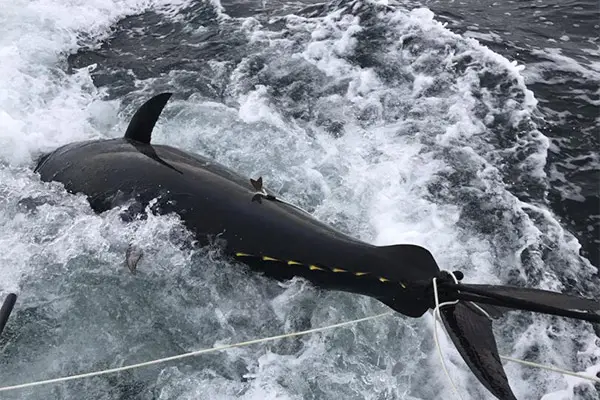
Warmer water doesn't just bring more fish. It brings the right conditions for those fish to hunt, stack up, and stay close enough to shore that you don't need to burn half your fuel just to reach them. If you're serious about landing bluefin, you need to understand what happens when the thermocline shifts—and why Gloucester sits right in the sweet spot when it does.
Temperature Drives the Migration North
Bluefin tuna don't just wander. They follow thermal highways, moving thousands of miles each year based on water temperature and food availability. As spring turns to summer, these fish push north from spawning grounds in the Gulf of Mexico and the Caribbean, tracking the warming currents up the Atlantic seaboard.
Gloucester becomes a magnet once the water hits that ideal range. Bluefin are endothermic—they can regulate their body heat to a degree—but they still prefer specific temps for peak activity. When the ocean warms up, their metabolism kicks into high gear. They hunt harder, move faster, and become far more likely to strike. That's when the real action starts.
Baitfish Explode When the Water Heats Up
Warmer water doesn't just pull in tuna. It triggers a chain reaction across the entire food web. Herring, mackerel, menhaden, and squid all spawn or migrate into the area as temperatures rise. These baitfish gather in massive schools, and bluefin follow them like clockwork.
Gloucester's waters are uniquely productive because of how currents collide here. Cold, nutrient-dense water from the north mixes with warmer flows from the south, creating plankton blooms that fuel the baitfish population. When the bait shows up in force, the tuna aren't far behind. And when the tuna are feeding, the fishing gets electric.
Surface Action and Shallow Water Access
One of the biggest advantages of warmer water is how it changes tuna behavior. As temps climb, bluefin move closer to shore and spend more time near the surface. That means more bust-ups—those explosive feeding frenzies where tuna crash through baitfish at the top of the water column.
These surface events are what every angler lives for. You can see the action from a distance, position your boat, and cast into the chaos. Topwater strikes, screaming drags, and fish that peel line like they're trying to reach the horizon. It's not just productive—it's visceral. And it happens far more often once the water warms up and the tuna get aggressive.
Conditions That Actually Let You Fish
Warmer water also means better weather. Calmer seas, longer days, and more stable conditions make it easier to stay out longer and cover more ground. You're not fighting rough chop or cutting trips short because of cold fronts rolling through.
The combination of accessible fish and fishable conditions is what separates a good season from a great one. When the water's warm, you can run shorter distances, spend more time with lines in the water, and take advantage of the extended daylight. That's more shots at fish, plain and simple.
- Longer daylight hours mean more time on the water
- Calmer seas reduce travel time and increase safety
- Warmer air temps make long days more comfortable
- Stable weather patterns allow for better trip planning
- Increased visibility helps spot surface activity from a distance
Local Expertise Meets Peak Season
Gloucester's charter captains and commercial fishermen have been chasing bluefin for generations. They know where the fish stage, how they move with the tides, and what gear works when conditions shift. As the water warms and the tuna arrive in numbers, that knowledge becomes invaluable.
These crews don't just follow the fleet. They read the water, adjust their tactics, and put clients on fish when others are still searching. That kind of experience, combined with the natural advantages of the season, is why Gloucester remains one of the top bluefin destinations on the East Coast.
- Captains track water temps and adjust fishing zones accordingly
- Local knowledge pinpoints productive structure and current breaks
- Proven techniques get refined based on real-time conditions
- Crews understand seasonal patterns and baitfish movements
- Repeat clients benefit from years of accumulated data
Regulations Keep the Fishery Strong
Bluefin populations have been under pressure for decades, and strict management is what keeps the fishery viable. Size limits, quotas, and seasonal restrictions are all in place to ensure these fish stick around for the long haul. Gloucester's fishing community takes that seriously.
Catch-and-release practices, proper handling techniques, and adherence to federal guidelines are standard. When the bite is hot, it's easy to get caught up in the action—but responsible anglers know that protecting the resource is what keeps the season strong year after year.
- Federal quotas limit total harvest to sustainable levels
- Size restrictions protect juvenile fish and breeding stock
- Catch-and-release programs reduce mortality on undersized fish
- Reporting requirements help scientists track population health
- Charter operators follow best practices for fish handling and release
Gear and Tactics Shift With the Season
As the water warms and tuna behavior changes, so do the methods that work. Early season fishing might rely on chunking or trolling in deeper water. But once temps rise and the fish move shallow, topwater plugs, poppers, and live bait become the go-to options.
Anglers who adapt to the conditions—and who understand how temperature affects tuna activity—are the ones who consistently put fish in the boat. It's not just about having the right gear. It's about knowing when and how to use it.
- Topwater lures become effective as tuna feed near the surface
- Live bait presentations work well during active feeding periods
- Chunking remains productive when fish are holding deeper
- Trolling spreads cover more water during search mode
- Lighter tackle becomes viable as fish move into shallower zones
Timing Your Trip for Maximum Action
If you want to fish Gloucester when the bluefin bite is at its peak, you need to watch the water temps—not just the calendar. Some years the water warms early, and the fish show up in late June. Other years, it takes until mid-July for conditions to align.
Booking a trip based on historical patterns is fine, but staying flexible and monitoring real-time conditions will put you on the water when the fishing is actually firing. That's the difference between a decent trip and one you'll talk about for years.
- Monitor sea surface temperature charts before booking
- Track baitfish reports from local captains and tackle shops
- Plan trips around stable weather windows for best conditions
- Consider mid-week dates to avoid weekend crowds
- Stay in touch with your captain for last-minute updates
Warmer Water Equals Better Fishing
The connection between water temperature and bluefin activity isn't a theory—it's a pattern that plays out every season. When the ocean off Gloucester warms up, the tuna move in, the bait stacks up, and the fishing gets as good as it gets anywhere on the planet. You can chase these fish in colder water, but you won't see the same aggression, the same numbers, or the same surface action.
If you're planning a trip, don't just pick a date and hope for the best. Pay attention to the temps, listen to the reports, and get out there when the conditions are right. That's when giant bluefin tuna fishing in Gloucester delivers the kind of action that keeps anglers coming back season after season. Whether you're targeting haddock and tuna or focusing exclusively on bluefin, understanding these thermal patterns will put you on fish when it matters most.
Let’s Get You on the Water
We know there’s nothing like the thrill of chasing bluefin when the bite is on and the conditions are perfect. If you’re ready to experience Gloucester’s peak season with a crew that lives for these moments, let’s make it happen together. Call us at 978-905-6200 or book now to secure your spot and get ready for an unforgettable day on the water.
‹ Back
Recent Posts
-
Should You Book a Morning or Afternoon Fishing Charter in Gloucester?
September 4, 2026
-
-
Is Late Season Tuna Fishing in Gloucester Worth Booking?
August 7, 2026
-
Can Non Anglers Enjoy a Gloucester Fishing Charter Too?
July 24, 2026
-