


What to Know Before Planning a Bluefin Tuna Trip in Gloucester
Gloucester isn't just another fishing town. It's where serious anglers go when they want a shot at one of the ocean's most formidable predators. Bluefin tuna don't mess around, and neither should you. These fish are fast, powerful, and regulated down to the pound. If you're thinking about booking a trip, you'd better understand what you're walking into — because showing up unprepared is a waste of time and money.
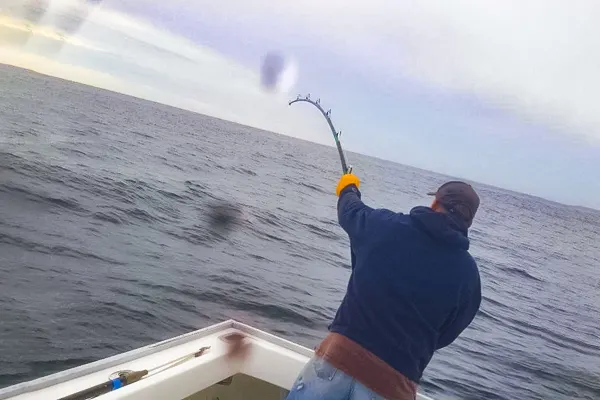
This isn't a casual day on the water. It's a full-contact sport that demands stamina, strategy, and respect for the rules. The captains know what they're doing. The fish don't care. And the regulations? They're non-negotiable. So before you hand over your deposit, make sure you know what matters most.
Timing Isn't Just a Suggestion
Bluefin season in Gloucester runs from June through November, but not every week is created equal. Early summer brings fish closer to shore. Late fall pushes them farther out. Water temperature shifts, bait migrations, and weather patterns all play a role in where the tuna show up — and whether you'll actually hook one.
Smart anglers don't just pick a random weekend. They check reports, talk to captains, and watch the forecasts. If you're flexible with your dates, you'll have a better shot at ideal conditions. If you're locked into a specific week, understand that Mother Nature doesn't take requests.
The Charter You Pick Makes or Breaks the Trip
Not all charters are built the same. Some captains have decades of experience targeting bluefin. Others are generalists who dabble. You want someone who lives and breathes this fishery — someone who knows the water, the gear, and the fish.
Before you book, dig into reviews and ask direct questions. How long have they been running giant bluefin tuna trips? What's their success rate? What's included in the price? A good captain will be upfront about expectations and won't overpromise. A bad one will tell you what you want to hear and leave you disappointed.
- Look for captains with consistent positive feedback and proven track records
- Confirm the boat size and amenities match your group's needs
- Ask whether permits and licenses are handled by the charter or if you need to arrange them
- Clarify what gear is provided and whether you're expected to bring anything specific
- Make sure the captain holds all necessary federal and state permits for bluefin fishing
Regulations Aren't Optional
Bluefin tuna are one of the most heavily regulated species in U.S. waters. Size limits, catch quotas, and reporting requirements are strict — and for good reason. These fish are valuable, vulnerable, and closely monitored by federal agencies.
Most reputable charters handle the permit side for you, but you still need to understand the rules. If you're fishing recreationally, there are limits on how many fish you can keep and what size they need to be. If you're on a commercial trip, the regulations are even tighter. Violating these rules can result in hefty fines and lost fishing privileges.
- Recreational anglers must follow NOAA size and bag limits
- Commercial permits require separate licensing and quota allocations
- All bluefin catches must be reported within 24 hours
- Tagging and documentation are mandatory for retained fish
- Captains should provide clear guidance on compliance before you leave the dock
Pack Smart or Pay the Price
Most charters supply rods, reels, and tackle. What they don't supply is your comfort. Gloucester weather is unpredictable, and conditions on the water can shift fast. Dress in layers, bring waterproof gear, and wear shoes with grip. Sunburn and seasickness are real problems, so pack sunscreen, polarized sunglasses, and motion sickness meds if you're prone to queasiness.
Don't forget food and water. Trips can run long, and you'll burn more energy than you think. A cooler with snacks and hydration will keep you sharp when the action heats up. And if you want to document the experience, bring a camera — but keep it secured. Losing your phone overboard won't make for a great story.
- Layered clothing for changing weather conditions
- Non-slip footwear with good traction
- Sunscreen, hat, and polarized sunglasses
- Snacks, water, and any personal medications
- Camera or phone in a waterproof case
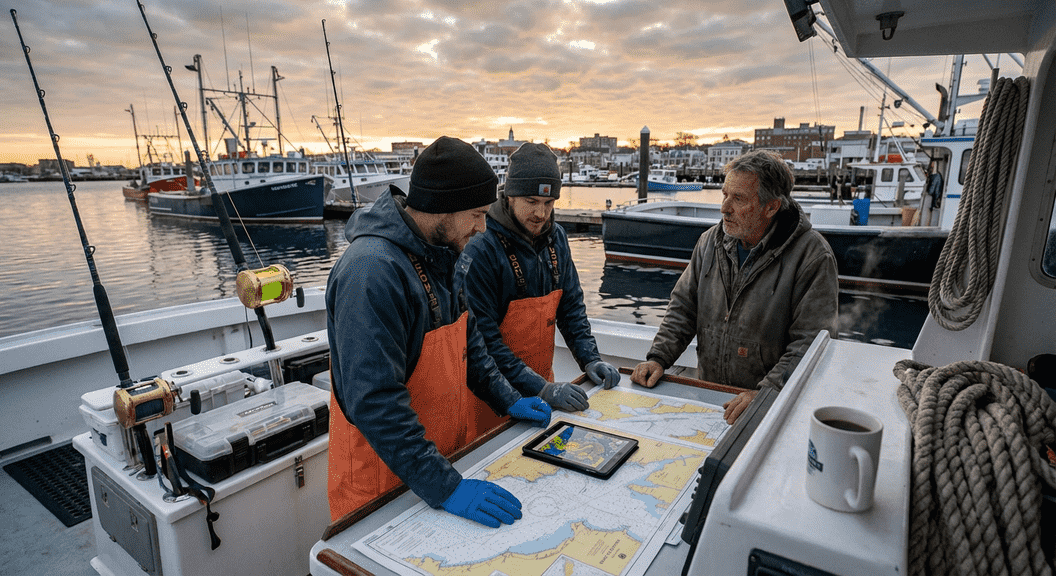
This Isn't a Relaxing Cruise
Bluefin tuna fishing is physically brutal. These fish can weigh hundreds of pounds and fight for hours. Reeling one in requires strength, endurance, and mental toughness. If you're not in decent shape, you're going to struggle. If you have back problems, bad knees, or any other physical limitations, talk to your captain before booking.
Safety is non-negotiable. Listen to our crew, follow instructions, and wear your life jacket when required. Rough seas and heavy gear create real hazards. Captains take safety seriously, and you should too.
Decide What Happens If You Hook One
Depending on size and quota availability, you may be able to keep your catch — or you may need to release it. Many anglers practice catch and release for smaller fish to support conservation efforts. If you do keep a bluefin, ask your captain about processing options. Some charters fillet and package your fish on the spot. Others connect you with local markets or restaurants.
Understand the financial side too. If you land a giant bluefin, it could be worth thousands of dollars. Some charters split the sale proceeds with anglers, while others keep the fish as part of the trip cost. Clarify this upfront so there are no surprises.
Budget for the Real Cost
Bluefin charters aren't cheap. Prices vary based on trip length, boat size, and included services. Make sure you know what's covered — fuel, bait, cleaning fees — and what's not. Hidden costs add up fast.
Tipping is standard practice. Captains and crew work hard to put you on fish, and a 15-20% tip is expected for good service. If they go above and beyond, show your appreciation. If the trip was a disaster, that's a different conversation — but don't stiff the crew over bad luck.
- Confirm what's included in the charter price before booking
- Ask about fuel surcharges or additional fees
- Plan to tip 15-20% of the total cost for quality service
- Clarify who keeps the fish if you land a valuable catch
- Factor in travel, lodging, and meal costs if you're coming from out of town
Gloucester Delivers More Than Fish
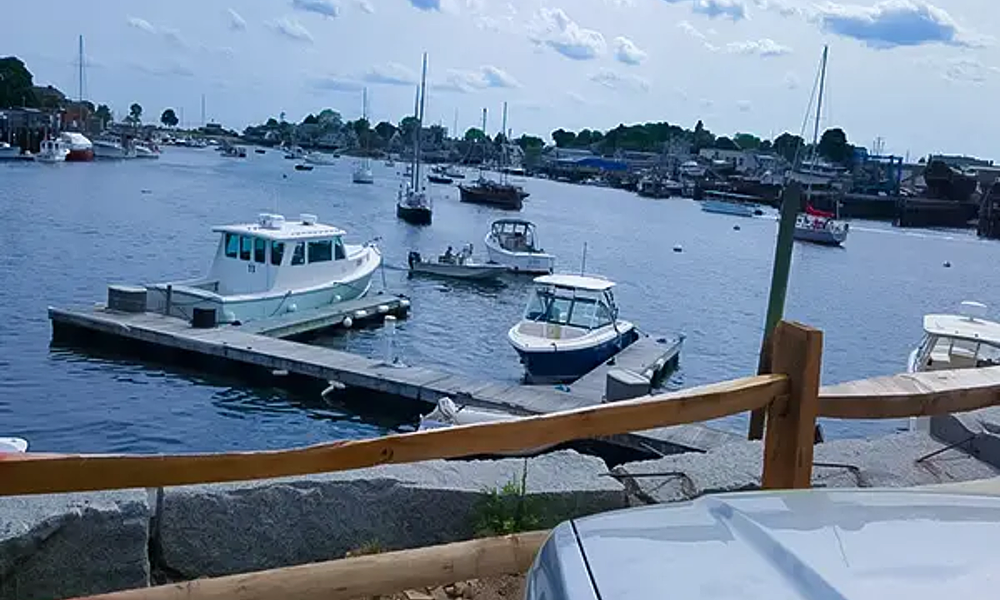
A bluefin trip is the main event, but Gloucester itself is worth exploring. This is one of the oldest fishing ports in America, with a deep maritime history and some of the best seafood you'll ever eat. Spend time walking the docks, visiting local restaurants, and soaking in the culture. It's part of the experience.
Preparation separates successful trips from wasted opportunities. Know the season, pick the right captain, follow the rules, and show up ready to work. Bluefin tuna don't give second chances, and neither does Gloucester. But if you do it right, you'll walk away with a story worth telling — and maybe a fish worth mounting. For more information about planning your trip, check out our fishing charters or read through our FAQs to get answers to common questions.
Let’s Get You on the Water
We know what it takes to make your Gloucester bluefin tuna trip unforgettable. From the first call to the final catch, our team is here to guide you every step of the way. Ready to chase giants and create memories that last? Give us a call at 978-905-6200 or book now to lock in your adventure with us.
‹ Back
Recent Posts
-
Can First-Time Anglers Catch Tuna on a Gloucester Charter?
October 2, 2026
-
Can You Catch Cod & Haddock on the Same Trip in Gloucester?
September 18, 2026
-
Should You Book a Morning or Afternoon Fishing Charter in Gloucester?
September 4, 2026
-
-
Is Late Season Tuna Fishing in Gloucester Worth Booking?
August 7, 2026