


Is Late Season Tuna Fishing in Gloucester Worth Booking?
Most anglers think tuna season wraps when the calendar flips to fall. Water cools down, crowds thin out, and suddenly everyone's convinced the bite is over. But the captains who've worked these waters for decades? They know different. Late season isn't a consolation prize — it's when the real trophies show up.
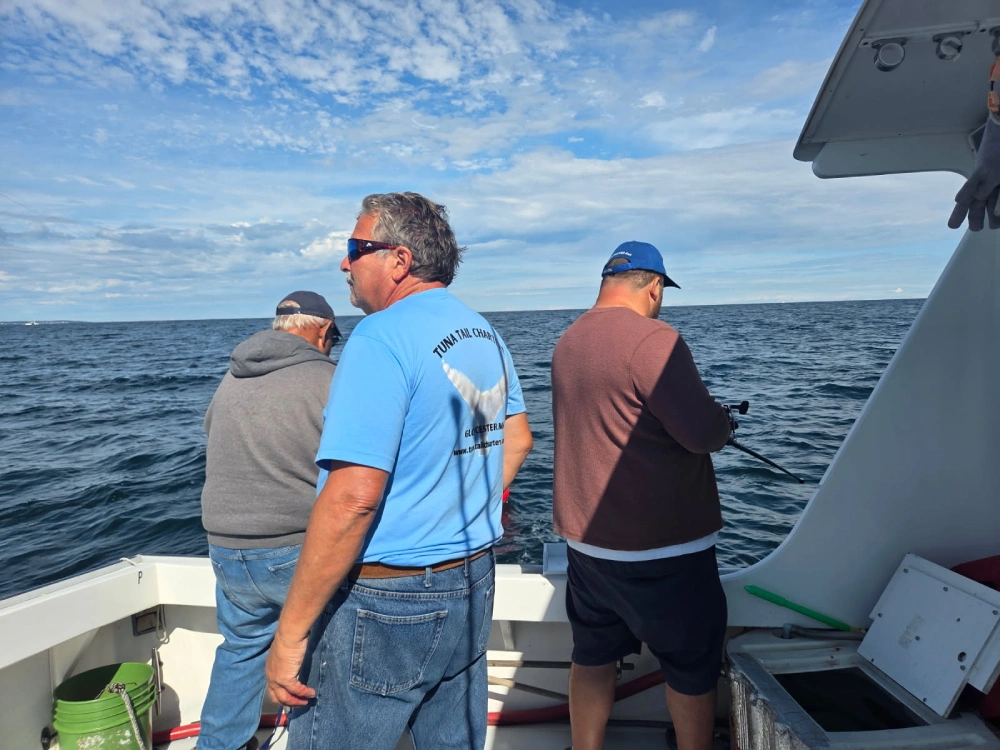
Gloucester doesn't stop producing just because Labor Day passed. The fish are still here. They're bigger, hungrier, and often easier to find if you know where to look. But the conditions change, the tactics shift, and if you're booking a trip without understanding what you're walking into, you're setting yourself up for disappointment.
The Fish Get Serious When the Water Drops
Bluefin don't vanish when September ends. They fatten up. As ocean temps slide into the mid-50s and low 60s, baitfish start staging for their own migrations south. Herring, mackerel, sand eels — they're all bunching up, and that draws tuna in tight. We've seen schools so thick in October that the fish barely have room to turn around.
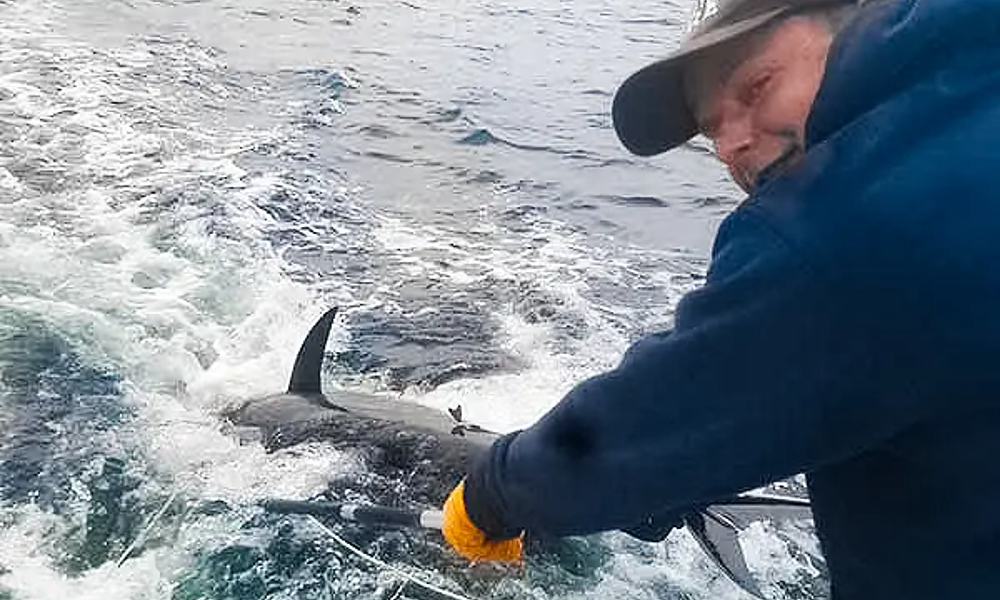
This isn't lazy summer feeding. It's aggressive, competitive, survival-mode eating. When a bluefin commits in late season, it commits hard. That means faster hookups, longer runs, and fish that aren't interested in playing games. The average size climbs too. You're not sorting through schoolies anymore — you're looking at giant bluefin tuna pushing 400, 500, even 600 pounds.
Fewer Boats Means Better Shots
By mid-October, half the fleet's already winterized. The weekend warriors are gone. The party boats are docked. What's left are the serious operators and the anglers who understand what late season offers. That means less radio chatter, fewer boats competing for the same marks, and way more room to work a productive zone without getting crowded out.
You're not fighting for position over a school. You're not watching another boat hook up fifty yards from where you wanted to set. It's you, the fish, and open water. That kind of focus changes the dynamic entirely. Captains can slow down, read the conditions, and put you on fish without the chaos that defines peak season.
Weather Will Test You
Late season isn't a gentle ride. The ocean gets rougher. Wind picks up. You're dealing with shorter days, colder mornings, and conditions that can flip from fishable to miserable in an hour. If you're booking a trip in November, pack like you're heading offshore in March — layers, rain gear, gloves, the works.
That said, experienced captains know how to navigate it. They've fished these waters in every condition imaginable. They'll call a trip if it's unsafe, and they'll adjust the plan if the forecast changes. But if you show up expecting summer comfort, you're going to have a bad time. This is serious fishing. Dress for it.
What You Need to Know Before You Book
Not every charter is built for late season work. Some operators shut down after September. Others keep running but don't adapt their approach. You want a captain who fishes this time of year intentionally — not just because they're trying to squeeze out a few more trips.
Here's what to ask before you commit:
- How many late season trips has the captain logged in the past five years
- What's the cancellation policy if weather forces a reschedule
- Does the boat have a heated cabin and proper wet weather gear on board
- What's the average fish size being landed this time of year
- Are they fishing chunks, live bait, or both depending on conditions
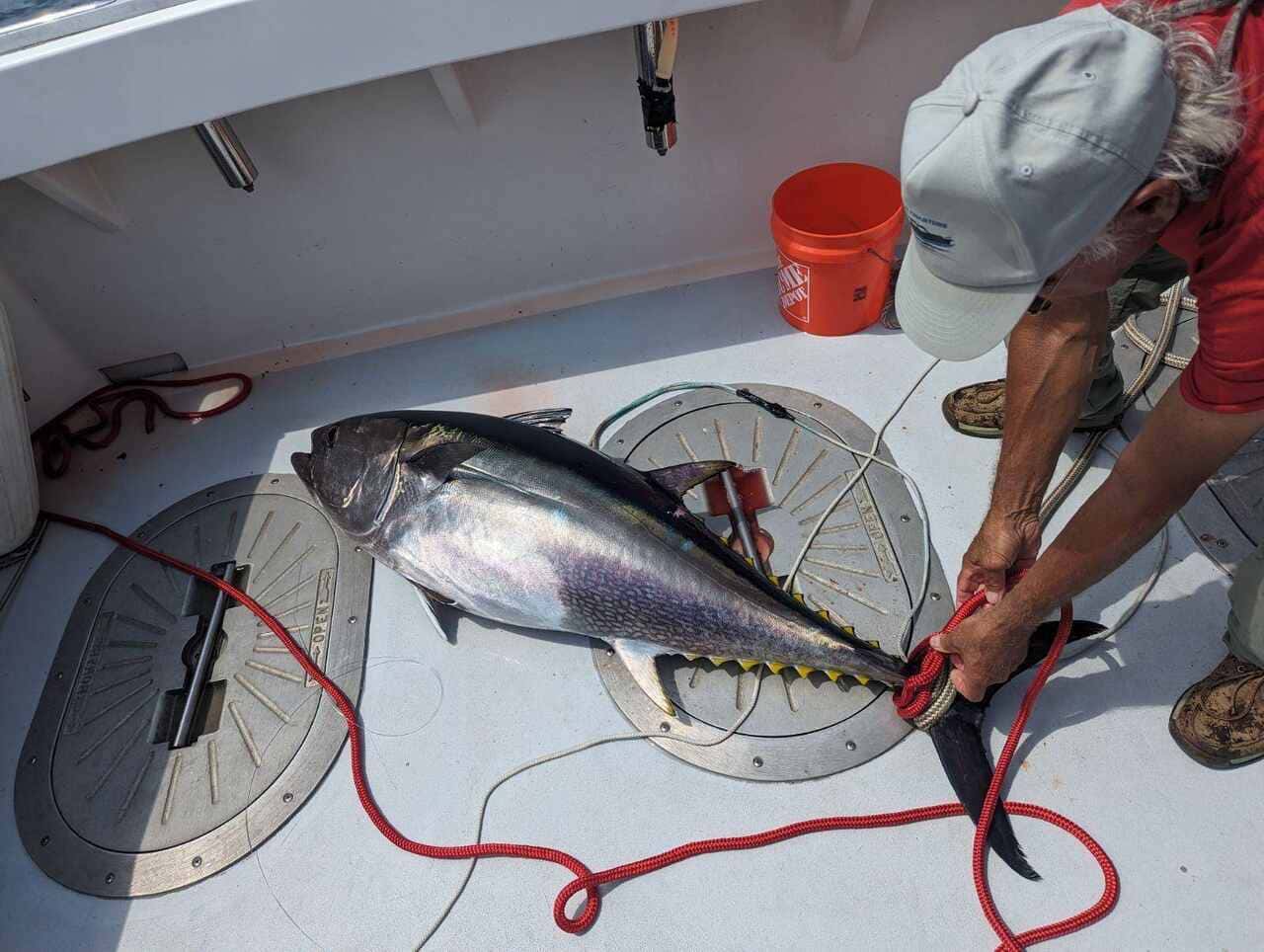
The Bite Happens Fast
Summer tuna fishing can stretch all day. You might get a few bites in the morning, cruise around midday, pick up another school in the afternoon. Late season doesn't work like that. The windows are shorter. When the fish turn on, it's violent and brief. Miss it, and you're grinding for hours waiting for the next opportunity.
That's why timing matters. Early trips — leaving at dawn or just before — tend to perform better. The fish are feeding hard in low light, and you want to be set up when it happens. Once the sun's high and the water warms even slightly, the action can shut down fast. Captains who understand this won't waste your time. They'll have you in position when it counts.
Gear Needs to Match the Fight
Late season bluefin are not forgiving. They're strong, they're heavy, and they'll test every weak point in your setup. If you're bringing your own gear, make sure it's rated for what you're targeting. Rods should be at least 50-pound class, preferably 80. Reels need smooth drags and serious line capacity. Leaders, hooks, swivels — all of it has to hold under sustained pressure.
Most reputable charters provide top-tier tackle, but it's worth confirming. You don't want to show up and find out you're fishing with gear that's been beat to hell all summer. Ask what they're running. If they're vague or dismissive, book somewhere else.
Booking Smart Means Avoiding the Rush
Late season availability is better than peak, but the best captains still fill up — especially on weekends or around favorable weather windows. If you're serious about going, don't wait until the week before. Lock in your date, get the deposit down, and stay in touch with the captain as the trip approaches.
Flexibility helps too. If you can fish midweek or adjust your dates based on conditions, you'll have a better shot at prime conditions. Weather moves fast in the fall. A trip that looked marginal three days out can turn perfect — or vice versa. Captains appreciate clients who understand that and are willing to work with the ocean, not against it.
Why We Keep Fishing Into November
Because the fish are still there. Because the experience is different. Because landing a giant bluefin under gray skies with nobody else around is the kind of thing that stays with you. Late season isn't about checking a box or padding the calendar. It's about chasing quality over convenience.
Gloucester's waters don't stop producing just because the tourists left. The bluefin tuna keep feeding, the captains keep working, and the anglers who show up prepared walk away with stories worth telling. If you're willing to handle the cold, respect the conditions, and trust the process, late season fishing charters are absolutely worth booking. Just make sure you're booking with someone who knows how to fish it right.
Let’s Get You on the Water
We know the thrill of late season tuna fishing in Gloucester is something you have to experience to believe. If you’re ready to chase those giants and want a crew that lives for these moments, let’s make it happen together. Call us at 978-905-6200 or book now to secure your spot before the season’s best days slip away.
‹ Back
Recent Posts
-
Can You Catch Cod & Haddock on the Same Trip in Gloucester?
September 18, 2026
-
Should You Book a Morning or Afternoon Fishing Charter in Gloucester?
September 4, 2026
-
-
Is Late Season Tuna Fishing in Gloucester Worth Booking?
August 7, 2026
-
Can Non Anglers Enjoy a Gloucester Fishing Charter Too?
July 24, 2026