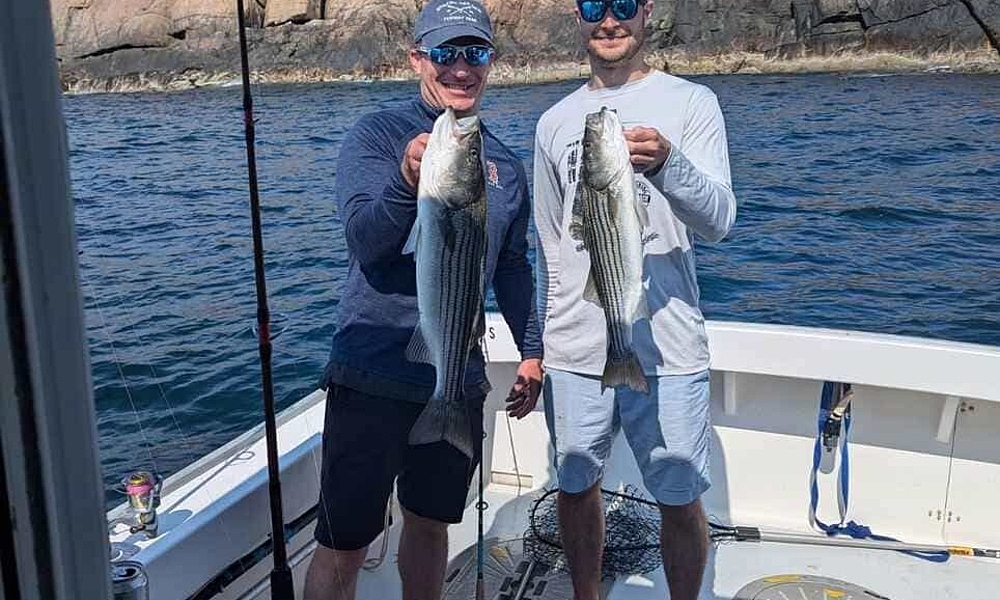


How Long Does It Take to Reel in a Bluefin Tuna in Gloucester
Bluefin tuna don’t hand out easy wins. One trip, you’re locked in for hours, arms burning, sweat pouring, and the fish just won’t quit. Another day, it’s over before you know it. There’s no set script. The only thing you can count on is that every fight is unpredictable and the fish always put you to the test.
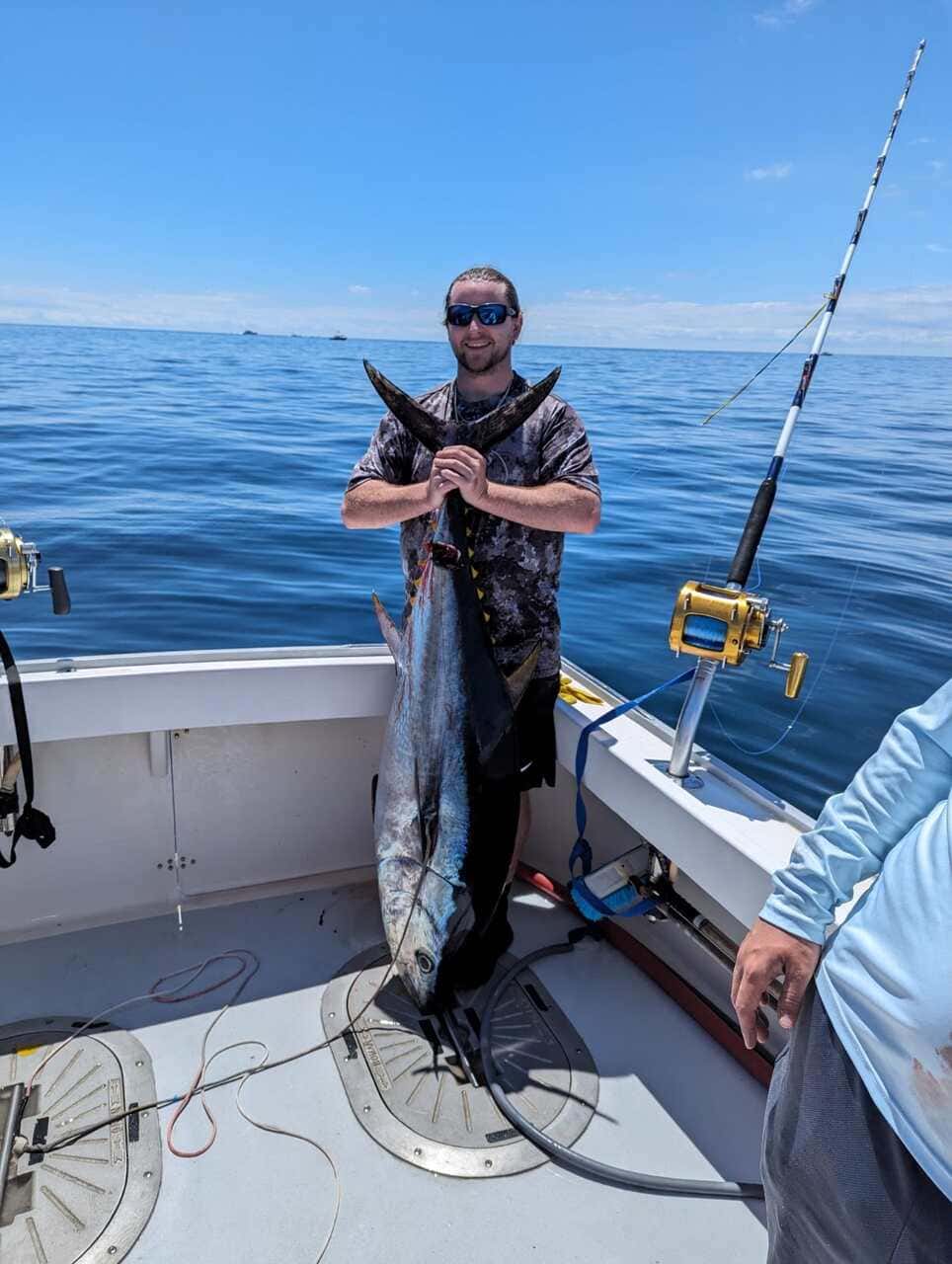
What actually controls the length of a bluefin fight? It’s never just one thing. The gear, the angler, the fish, and the sea all have a say. Here’s what really shapes the battle:
- Rod and reel setup. Heavy gear can turn the tide, but the wrong setup drags the fight out.
- Angler skill. Experience shows when the fish makes a run. The right moves save time and energy.
- Crew support. A sharp crew keeps the process smooth. Missed gaffs or tangled lines add minutes, sometimes hours.
- Fish size. A 200-pounder tires out faster than a 700-pound giant. Big fish, long fights.
- Weather and sea state. Flat calm helps. Choppy seas and wind make every step harder.
- Seasonal changes. Early summer fish burn hot and fast. Late-season bluefin dig in and refuse to quit.
Some bluefin come to the boat in under an hour. Others stretch the fight well past two. There’s no formula, just a mix of grit, teamwork, and a little luck. Want to dial in your timing? The best time to catch bluefin tuna in Gloucester gives a real-world look at when the action peaks.
Gear That Gets the Job Done
Bluefin don’t care about brand names or price tags. They test every knot, every drag washer, every inch of line. The right gear isn’t about showing off—it’s about survival. On the deck, you see the difference fast. A rod with backbone keeps the pressure on. A reel with smooth drag lets you control the fight, not the other way around. Weak line or cheap hooks? That’s how fish get away.
- Big game rods. Built to bend, not break. They take the load and keep the angler in the game.
- High-capacity reels. Enough line to handle long runs. Smooth drag to protect knots and leaders.
- Heavy braided line. No stretch, no forgiveness. It’s all about direct contact with the fish.
- Quality hooks and leaders. No room for shortcuts. One weak link and the fish is gone.
- Harnesses and fighting belts. Support for the long haul. They save backs and arms when the fight drags on.
Every piece of gear has a job. When it all works together, the odds swing in your favor. Before the boat leaves the dock, every knot gets checked, every drag gets set. Want a closer look at what holds up under pressure? The essential gear guide for deep sea fishing in Gloucester breaks down what matters and why.
For anyone new to the game, jumping on one of our giant bluefin tuna charters means you’re using gear that’s proven. No guessing. No weak links.
Skill and Teamwork on the Water
Muscle alone doesn’t land a bluefin. The best anglers know when to pull, when to let the fish run, and how to keep their cool when the reel starts screaming. It’s a mental game as much as a physical one. The wrong move, too much pressure, a bad angle, a moment of panic, can cost you the fish. The right move, made at the right time, shortens the fight and brings the tuna to the boat.
But even the sharpest angler can’t do it alone. The crew makes the difference. They clear lines, coach the fight, and keep the deck safe when things get wild. When the fish circles under the boat, a steady hand on the leader or a quick gaff shot can end the battle. Miss that moment, and the fight starts all over again.
- Reading the fish. Experienced anglers spot the signs. A sudden dive, a change in angle, a burst of speed.
- Adjusting stance. Balance and leverage matter. The wrong position wears you out fast.
- Communication. Angler and crew work as one. Every call, every move, keeps the process tight.
- Staying calm. Panic leads to mistakes. The best crews keep the mood steady, even when the fish is winning.
Want to see what a seasoned crew brings to the table? Meet our crew and see why experience isn’t just a bonus—it’s the backbone of every successful trip.
Fish Size and Seasonal Shifts
Not all bluefin are built the same. Some tip the scales at 200 pounds and burn out quick. Others push 700 or more and refuse to quit. The bigger the fish, the longer the fight. Simple as that. But size isn’t the only factor. Early in the season, bluefin are lean and mean. They hit hard, run fast, and sometimes burn themselves out. By late summer and fall, the same fish bulk up. They dig in, circle deep, and make every inch of line a battle.
Seasonal changes shape every trip. Water temperature shifts the bite. Bait moves in and out, changing where the fish feed and how they fight. Even the moon can play a role. Some nights, the fish are fired up and ready for a marathon. Other days, they tire out fast and come to the boat without much fuss.
- Early summer. Fast, aggressive fights. Fish are lean and hungry.
- Late summer and fall. Heavier, stubborn fish. Fights stretch longer.
- Changing bait. When mackerel or herring move in, bluefin energy spikes.
- Water temperature. Cooler water can slow the fish, but not always.
Want the latest on what’s biting? The bluefin tuna fishing reports track the action as it happens. For a deeper look at how the seasons shape every trip, the seasonal fishing patterns resource lays out what to expect month by month.
Ready for Your Bluefin Challenge in Gloucester
Every bluefin trip in Gloucester brings a new story. No two fights are the same, and every fish tests your limits in a different way. If you want to take on the challenge, we’re ready to help you make it happen. Call 978-905-6200 or contact us to book your spot and get ready for a day you’ll never forget.
‹ Back
Recent Posts
-
Should You Book a Morning or Afternoon Fishing Charter in Gloucester?
September 4, 2026
-
-
Is Late Season Tuna Fishing in Gloucester Worth Booking?
August 7, 2026
-
Can Non Anglers Enjoy a Gloucester Fishing Charter Too?
July 24, 2026
-