


Can You Catch Tuna Close to Gloucester Shorelines?
Gloucester sits on the Massachusetts coast like a monument to serious fishing. For decades, it's been the epicenter of bluefin tuna culture—big boats, big fish, big money. Most people assume you need to burn fuel for hours just to get a shot at one. But the truth is more interesting. Tuna don't always play by those rules. Some years, they push right up against the shoreline. Close enough that you can see them from the rocks. Close enough that you don't need a 40-footer to get in the game.
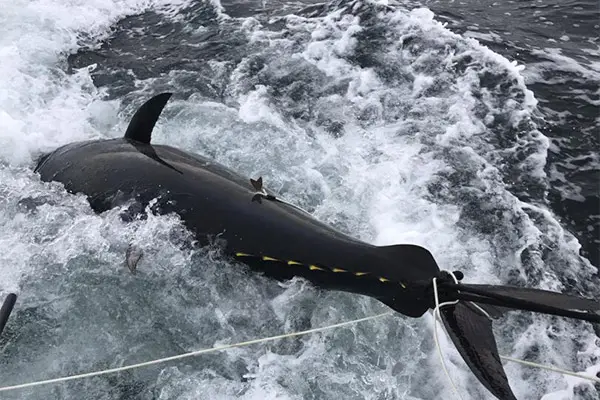
The real question isn't whether tuna show up near Gloucester. It's whether you know when, where, and how to find them when they do. Because proximity doesn't mean easy. It just means you've got a shot—if you're paying attention.
Geography Puts Fish Where You Want Them
Stellwagen Bank is the reason Gloucester punches above its weight. This underwater plateau sits just offshore, and it's loaded with structure, current, and baitfish. When conditions align, giant bluefin tuna flood the area to feed. They're not there for the scenery—they're there because the food is stacked.
What makes this spot special is how shallow it gets. Tuna that might normally cruise deep water get funneled into zones you can reach without crossing the horizon. The bank creates eddies, upwellings, and temperature breaks that concentrate prey. And when mackerel or menhaden ball up near the surface, bluefin aren't far behind.
- Stellwagen Bank creates ideal feeding conditions within a few miles of shore
- Baitfish concentrate in predictable zones during late summer and fall
- Shallow water and structure bring tuna into range of smaller boats
- Temperature breaks and current lines act as highways for migrating schools
The Season Dictates Everything
You can't just roll up to Gloucester in April and expect bluefin. The window is narrow, and it shifts every year based on water temperature, bait movement, and migration patterns. July kicks things off, but the real action heats up in August and September. By October, the fish are still around, but they're starting to scatter.
Early mornings and late afternoons are when you'll see the most surface activity. That's when tuna push bait to the top and give themselves away. Miss that window, and you're blind. Show up on the wrong week, and you're out of luck entirely. Timing isn't just important—it's the difference between a limit and a long drive home.
- Peak season runs from mid-July through October
- August and September offer the most consistent nearshore action
- Early morning and dusk are prime feeding windows
- Water temperature and baitfish presence determine daily activity
- Late-season fish are often larger but less predictable
Gear and Tactics That Actually Work
You don't need a tournament rig to catch tuna close to shore, but you do need the right setup. Trolling with spreader bars or cedar plugs is a proven method. Casting poppers and stickbaits works when fish are busting on top. Jigging is deadly if you can find them holding deep near structure. Each approach has its place, and the best anglers switch tactics based on what the fish are doing—not what they feel like throwing.
Live bait like mackerel or pogies can be lethal if you're drifting over active zones. But live bait also means you need to catch or buy it fresh, and you need to keep it alive. That's extra effort. Artificials are easier to manage and just as effective when tuna are aggressive. The key is matching the size and profile of whatever they're feeding on. Get that wrong, and they'll ignore you.
- Trolling covers water and locates active schools quickly
- Topwater casting works best during visible surface feeds
- Jigging is effective near structure and during low-light periods
- Live bait requires preparation but can trigger reluctant fish
- Matching hatch size and profile increases hookup rates dramatically
What the Regulations Actually Mean
Bluefin tuna are one of the most regulated species in the Atlantic. The quotas are strict, the reporting is mandatory, and the fines for screwing up are serious. You need a federal permit. You need to know the size limits. You need to log your catch and follow landing rules down to the letter. None of this is optional.
The regulations exist because bluefin are valuable and vulnerable. Ignoring them doesn't just risk your wallet—it jeopardizes the fishery for everyone. If you're not willing to play by the rules, stay home. The guys who fish responsibly are the ones keeping this resource alive for the next generation.
Charters Versus Going Solo
Hiring a charter captain who knows the Gloucester waters is the fastest way to get on fish. They've got the equipment, the knowledge, and the network. When tuna show up close to shore, they're the first to know. You show up, you fish, you learn. It's not cheap, but it's efficient.
Going solo is cheaper but riskier. You need your own boat, your own gear, and your own intel. You'll spend time searching, guessing, and adjusting. Some days you'll crush it. Other days you'll burn fuel and see nothing. That's the trade-off. Freedom comes with uncertainty.
Putting It All Together
Tuna do come close to Gloucester's shorelines. Not every day, not in every condition, but often enough that it's worth planning for. When the stars align—good weather, active bait, peak season—you can hook a bluefin without leaving sight of land. But it's not a guarantee. It's a gamble backed by preparation, timing, and respect for the fish.
The anglers who succeed are the ones who treat nearshore tuna fishing like a science, not a lottery. They track conditions, adjust tactics, and follow the rules. They don't just hope for a bite—they stack the odds. That's the difference between coming home with a story and coming home with a fish.
Ready to Chase Tuna with Us?
We know the thrill of seeing bluefin break the surface just off Gloucester’s rocky coast—and we’re here to help you experience it firsthand. Let’s make your next trip one to remember, with the right timing, tactics, and local expertise. Give us a call at 978-905-6200 or book now to secure your spot and get ready for an unforgettable day on the water.
‹ Back
Recent Posts
-
Can First-Time Anglers Catch Tuna on a Gloucester Charter?
October 2, 2026
-
Can You Catch Cod & Haddock on the Same Trip in Gloucester?
September 18, 2026
-
Should You Book a Morning or Afternoon Fishing Charter in Gloucester?
September 4, 2026
-
-
Is Late Season Tuna Fishing in Gloucester Worth Booking?
August 7, 2026