


Are Summer & Fall Tuna Charters in Gloucester Good for Bass Fishing?
Most anglers think you're either chasing tuna or you're hunting bass. Pick a lane and stay in it. But Gloucester doesn't work that way — and if you're not doubling up on species during peak season, you're leaving fish on the table. The same waters that pull bluefin in close are crawling with stripers. Same bait schools. Same feeding windows. Same captains who know how to work both angles without burning half your day running between spots.
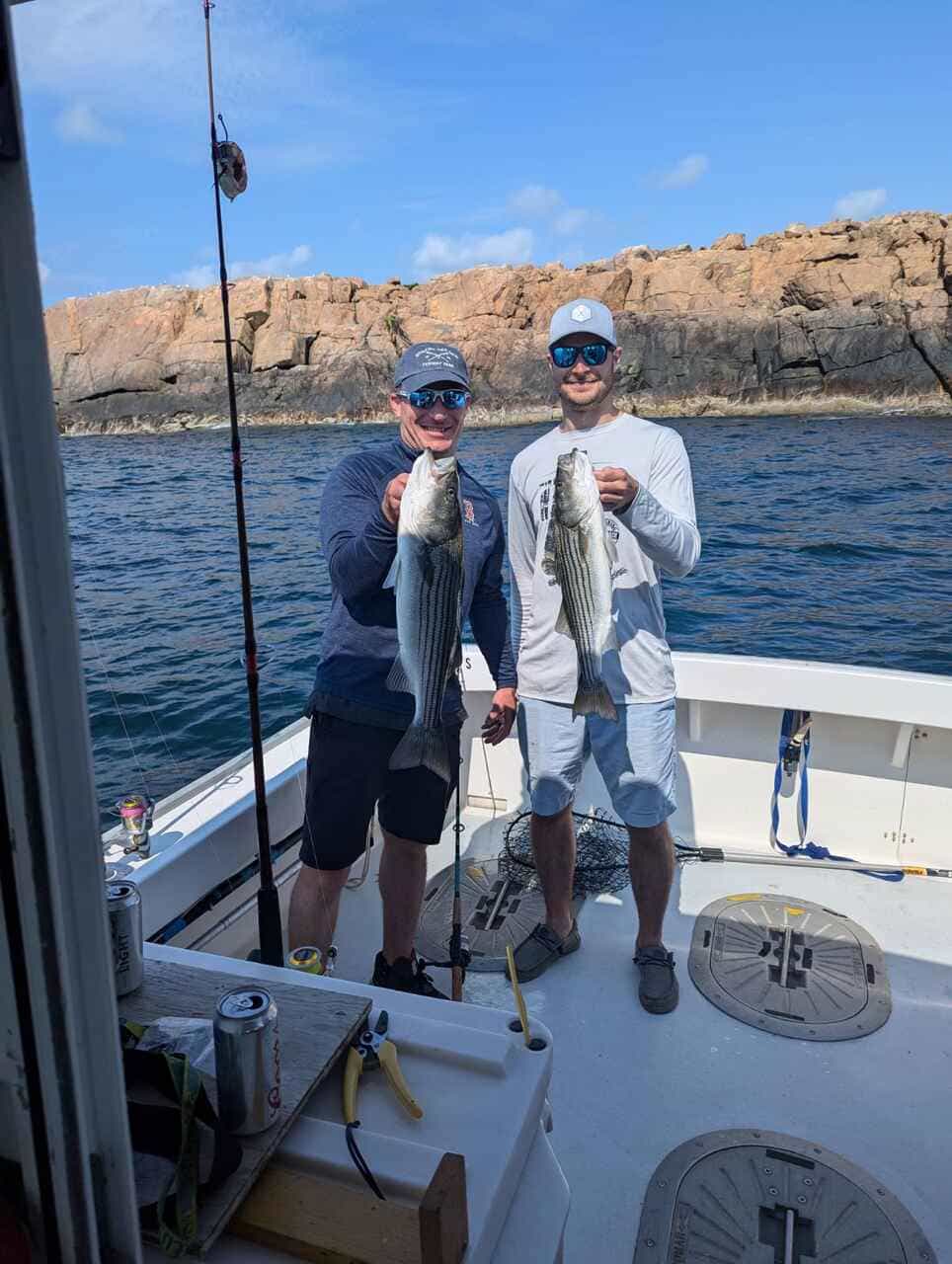
So here's what matters. If you're booking a tuna run between July and October, you're already in prime bass territory. The question isn't whether the fishing's good — it's whether you're set up to take advantage of it. Every trip should have a backup plan. Every captain should know where the bass are stacking when the tuna bite goes quiet. And every angler should be ready to switch gears without losing momentum.
Two Fisheries Running Hot at the Same Time
Bluefin tuna show up off Cape Ann in late spring and stick around through October. Peak action hits hardest from mid-summer into fall, right when the water temperature and bait density line up. Striped bass follow a similar calendar. They push north as things warm up, hang tight through summer, and feed heavy before the migration south. That's not coincidence — that's overlap.
What that means for you is simple. A tuna trip in August or September isn't just a tuna trip. It's a shot at both. And plenty of Gloucester captains build their days around that reality. You're not choosing one or the other. You're stacking opportunities and letting the water decide what bites first.
When the Bait Shows Up, Everything Follows
Tuna and bass don't care about your itinerary. They care about mackerel, herring, and bunker. When those baitfish flood the North Shore, both species move in to feed. If you're seeing tuna crashing bait offshore, there's a good chance bass are doing the same thing closer to shore — around structure, near river mouths, or along the rocky edges where current pushes food into ambush zones.
Summer bass patrol the inshore zones looking for easy meals. By fall, they're feeding aggressively to bulk up before heading south. That feeding push lines up perfectly with the tuna season, and it creates windows where both fisheries are firing at once. Miss that window and you're waiting until next year.
How a Split Day Actually Works
Most tuna-bass combos start offshore. You're trolling or chunking for bluefin early, when the bite is strongest and the water's calm. After a few hours — whether you hooked up or not — the boat repositions inshore. That's when you switch to bass mode: lighter tackle, different techniques, and targets that are easier to find and more willing to eat.
This setup does two things. First, it keeps the action moving. Tuna fishing can go quiet for stretches, and bass fill those gaps with consistent hookups. Second, it maximizes your time on the water. You're not burning fuel running back early because one bite dried up. You're adapting and staying productive.
What You Need to Make It Happen
- A captain who runs both: Not every tuna guide knows bass, and not every bass captain is rigged for bluefin. Book someone who's comfortable with both and knows when to pivot.
- The right gear for each target: Heavy rods for tuna, medium-light setups for bass. Most charters supply what you need, but confirm before you show up.
- Willingness to adjust: Tides shift. Weather changes. Fish move. If the captain says it's time to switch zones or species, listen.
- Knowledge of the regs: Tuna and bass both have size limits, bag limits, and seasonal rules. Know what you can keep and what goes back.
- Realistic expectations: Some days you'll land both. Some days you'll go one for two. Either way, you're fishing two of the best fisheries on the East Coast in a single outing.
Where Bass Stack Up When Tuna Goes Quiet
If the offshore bite stalls, your captain should already know where to pivot. Rocky coastlines, river mouths, and current-heavy zones are all bass magnets during summer and fall. Places like the Annisquam River or the Essex River mouth hold fish that are actively feeding and easier to pattern than offshore tuna.
Inshore bass also respond well to a variety of techniques. You can cast plugs, work jigs, or run live bait depending on conditions. That versatility keeps things interesting and gives you multiple ways to trigger strikes when the fish are finicky.
Why Flexibility Beats a Rigid Plan
Weather on the North Shore can flip fast. A calm morning can turn choppy by noon. A hot tuna bite can vanish when the current changes. If you're locked into one species or one zone, you're gambling. If you're open to moving and switching tactics, you're fishing smart.
The best trips aren't the ones that go exactly as planned. They're the ones where the captain reads the water, adjusts on the fly, and puts you on fish no matter what. That kind of adaptability is what separates a good day from a great one.
Common Mistakes That Cost You Fish
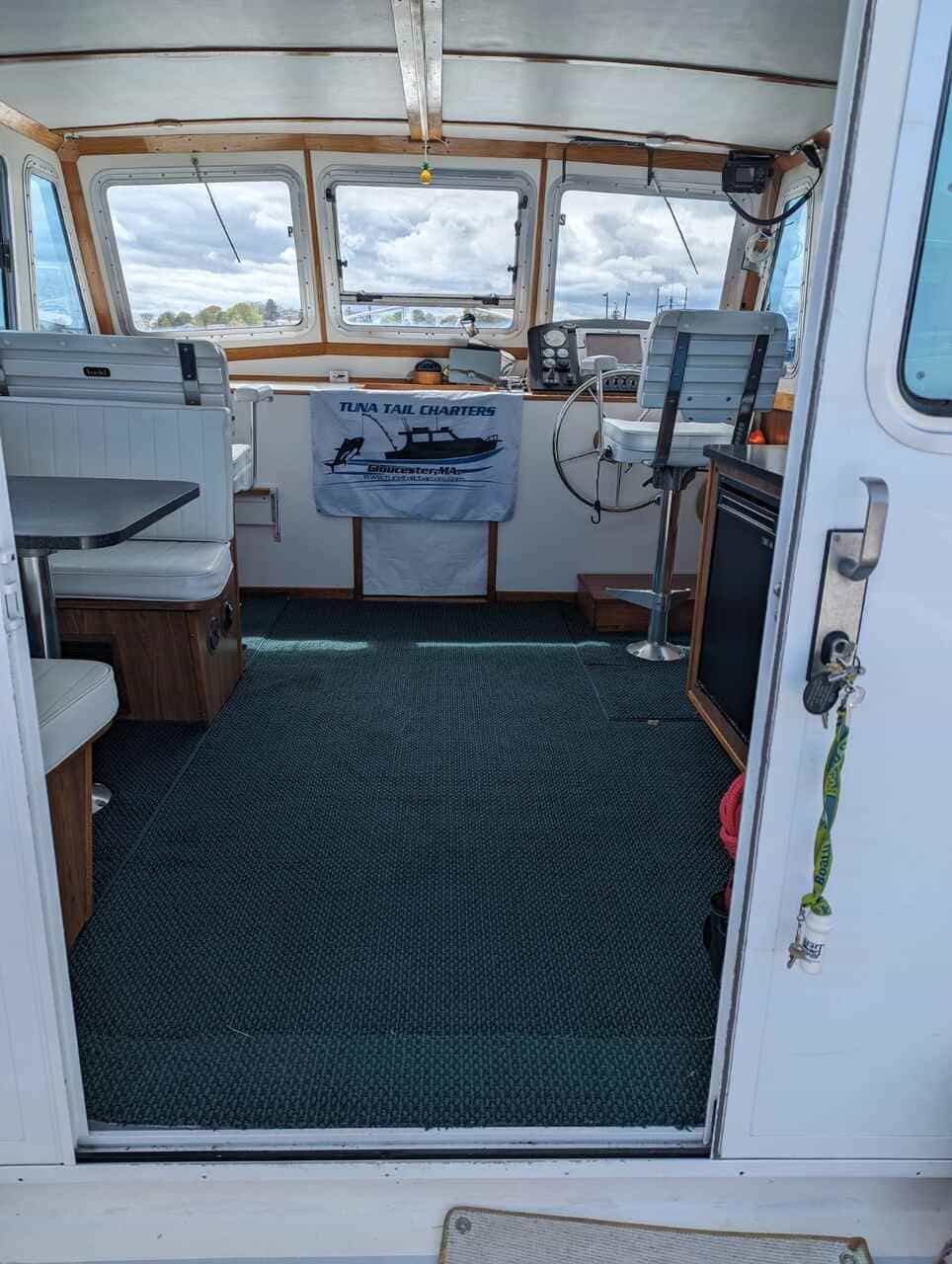
- Booking a tuna-only captain: If they don't run bass, you're stuck offshore even when the bite dies. Find someone who knows both fisheries and isn't afraid to mix it up.
- Ignoring the forecast: Wind, tide, and water temperature all matter. A rough sea can kill a tuna trip, but bass fishing inshore might still be wide open.
- Overpacking expectations: Not every trip lands a giant tuna and a trophy bass. Sometimes you catch one. Sometimes you catch a dozen schoolies and call it a win. Enjoy the process.
- Skipping the pre-trip conversation: Talk to your captain ahead of time. Let them know you want a shot at both species, and ask how they typically structure combo days.
- Forgetting to confirm what's provided: Tackle, bait, licenses — clarify what's included and what you need to bring. Don't assume.
What the Regs Say and Why It Matters
Tuna fishing is heavily regulated. You need the right permits, and there are strict rules around size, retention, and reporting. Striped bass have their own set of limits — slot sizes, bag limits, and seasonal closures that vary by state. If you're fishing Massachusetts waters, you're playing by Massachusetts rules.
Your captain should handle most of this, but it's your responsibility to know what you're allowed to keep. Ignorance doesn't hold up if you get checked. And it doesn't help the fishery stay healthy for the next guy.
Double the Species, Double the Payoff
Gloucester in summer and fall isn't a tuna town or a bass town. It's both. The bait's there. The fish are feeding. The captains know how to work it. If you're only targeting one species, you're fishing half the water. If you're booking fishing charters that cover both, you're stacking the deck in your favor — and that's how you walk off the boat with stories worth telling and a cooler that backs them up.
Ready to Fish Smarter This Season?
We know how to make every trip count—whether the tuna are biting or the bass are stacked up inshore, our crew is ready to put you on the action. Let’s plan a day that gives you the best shot at both, so you don’t miss out on what Gloucester has to offer. Give us a call at 978-905-6200 or Book Now and let’s get your next adventure on the calendar.
‹ Back
Recent Posts
-
Can First-Time Anglers Catch Tuna on a Gloucester Charter?
October 2, 2026
-
Can You Catch Cod & Haddock on the Same Trip in Gloucester?
September 18, 2026
-
Should You Book a Morning or Afternoon Fishing Charter in Gloucester?
September 4, 2026
-
-
Is Late Season Tuna Fishing in Gloucester Worth Booking?
August 7, 2026